Friday the 13th: A Day of Shadows, Magic, and Ancient Memory in Somerset
Friday the 13th: A Day of Shadows, Magic, and Ancient Memory in Somerset
Few dates carry the same quiet charge as Friday the 13th.
In Somerset, a county steeped in mist, myth, and old earth energies, the day feels especially potent.
From the tor of Glastonbury to village lanes lined with hawthorn and yew, Friday the 13th is often treated with a mixture of caution, curiosity, and half-belief.
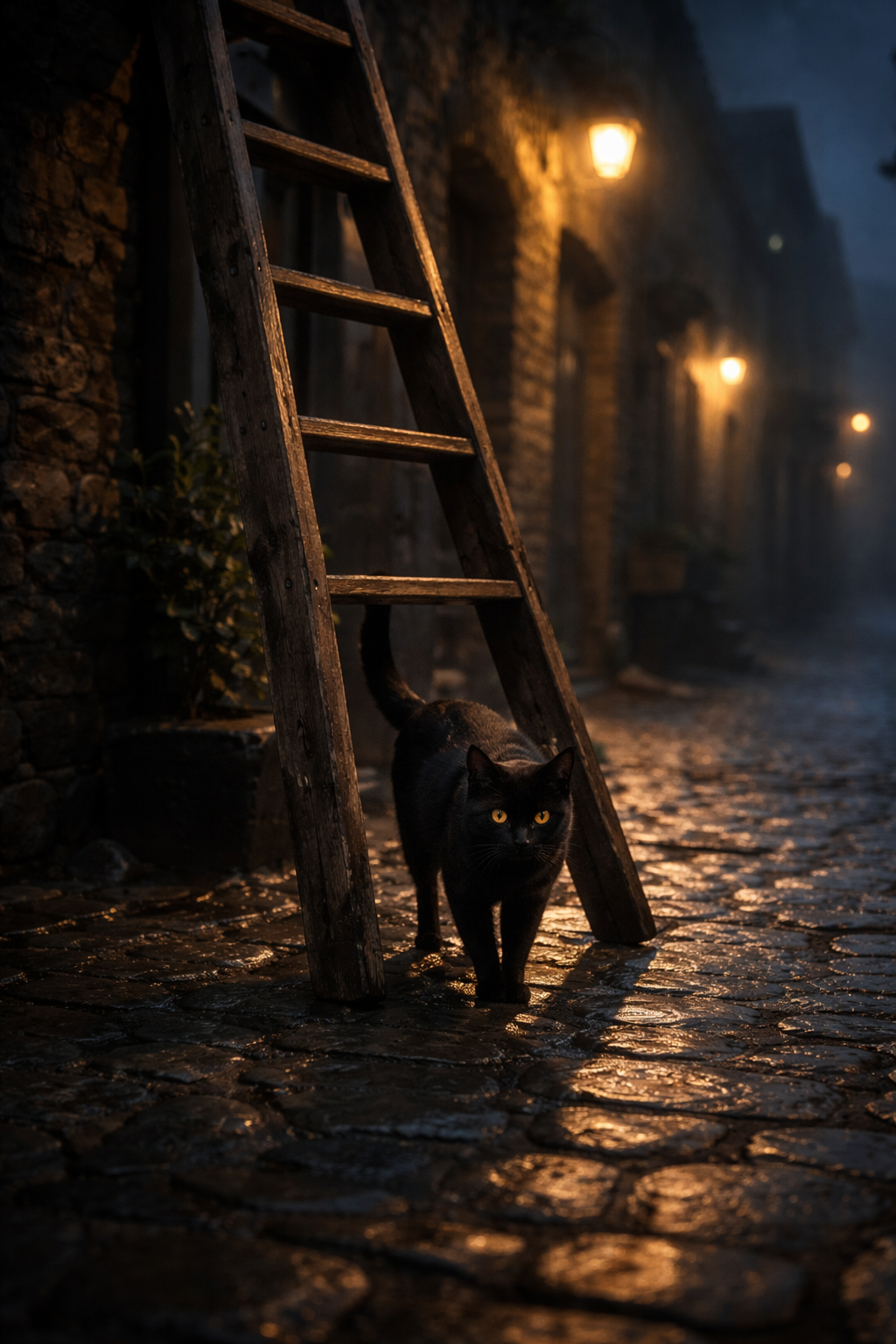
Some people won’t begin new projects. Others avoid ladders, mirrors, or the number itself. Many will instinctively knock on wood, just in case unseen forces are listening.
The Old Superstitions
Across Somerset, the familiar customs surface every time the date appears:
Avoiding the number 13, with hotels and buildings skipping it entirely.
Refusing to walk under ladders or start important journeys.
Believing broken mirrors invite seven years of misfortune.
Feeling uneasy about 13 people at a table, echoing ancient fears of betrayal and imbalance.
Small protective rituals persist too: horseshoes, four-leaf clovers, rabbit’s feet, whispered charms, and the ever-present act of “touching wood”.
These habits are so ingrained they often feel less like superstition and more like instinct.
Where the Fear Was Born
The unease surrounding Friday the 13th is a tapestry woven from religion, myth, and cultural memory.
In Christian tradition, Friday became associated with sorrow through the crucifixion of Christ, while 13 was marked by Judas, the final guest at the Last Supper. Together, they formed a symbolic pairing of loss and ill omen.
Norse mythology adds another darker thread.
The trickster god Loki was said to arrive as the 13th guest at a divine feast, an intrusion that ended in tragedy and death.
Over time, these stories fused into what we now call paraskevidekatriaphobia — the fear of Friday the 13th — a superstition that feels ancient, even if its modern form is relatively recent.
The Hidden, Older Meaning
Yet beneath the layers of fear lies something far older and more mystical.
For Pagans and witches, Friday the 13th is not cursed at all, but quietly sacred. Friday takes its name from the Norse goddess Frigg, linked with love, fertility, destiny, and magic.
Long before it became a day of caution, Friday was considered lucky for unions, vows, and matters of the heart.
The number 13 itself reflects the rhythm of the moon — the 13 lunar cycles of the year — and the cycles of intuition, renewal, and feminine power. It is also the traditional number of a witches’ coven, a symbol of collective magic and balance.
To those who walk old spiritual paths, Friday the 13th is a liminal day: a thin place in time.
A moment when the veil feels lighter, dreams feel louder, and intention carries further than usual.
A Somerset Day Between Worlds
In a land like Somerset — where ley lines, holy wells, and Arthurian legends still whisper through the landscape — Friday the 13th feels less like a date and more like a threshold.
Whether feared or revered, it remains a day that invites reflection on unseen forces, ancient cycles, and the quiet power of belief itself.
In 2026, Friday the 13th returns twice: in February and March.
Two chances to step carefully… or step knowingly into the old magic that never truly left.
© Somerset Paranormal
Image - PJW Artworks