Haunted Villages of the Mendips: Ghost Stories & Local Legends
In this quiet corner of eastern Somerset, where the Mendip Hills roll into a patchwork of ancient villages, wooded valleys and open farmland, the landscape holds centuries of history.
Places such as Coleford, Mells, Kilmersdon, Vobster and Leigh-on-Mendip have evolved from small agricultural settlements into communities shaped by industry, trade and the fortunes of the surrounding countryside.
The Mendips have long been a source of natural wealth, from the Roman exploitation of mineral deposits and centuries of stone quarrying to the coal mines which eventually transformed much of the eastern Mendip landscape.
During the 18th and 19th centuries, coal mining became a major source of employment, particularly around Kilmersdon, Coleford, Mells and Radstock, while Mells also developed a notable industrial history associated with ironworking and the Fussell family.
Old manor houses, medieval churches, workers' cottages, former chapels and the remains of long-abandoned industrial workings still bear witness to the generations who lived and worked here.
Beneath the familiar rural appearance lies a much older story of hardship, industry, changing fortunes and deeply rooted village communities – a landscape where history and local tradition have become inseparable.
Coleford
Set among the rolling Mendip Hills, Coleford has a history deeply rooted in Somerset's agricultural and industrial past.
Originally a small rural settlement, it grew considerably during the 18th and 19th centuries as coal mining became the area's principal industry, bringing employment and new communities to the surrounding countryside.
The nearby collieries of Coal Barton, Newbury and Mackintosh were particularly important, although mining was not without tragedy.
In 1869, a devastating firedamp explosion at Coal Barton claimed the lives of nine miners. Coleford also has an interesting connection to an ambitious 18th-century engineering project: the ill-fated Dorset and Somerset Canal, abandoned before completion, traces of which can still be found in the surrounding landscape.
Today, the village retains reminders of its industrial heritage alongside its quieter agricultural roots.
There are several reported apparitions around the village.
A white mist has reportedly been seen forming in a gateway on Charmborough Lane, on the road out of the village.
The location is said to be close to the scene of a 19th-century pony and trap accident, in which a woman was thrown from the trap and died.
Whether the two stories are connected is, of course, impossible to know.
A Victorian girl has also allegedly been seen in the area, while a miner carrying a lamp is said to walk down Harris Vale from the main village towards the site of one of the old pit workings, MacKintosh Colliery, where the ghostly sounds of the mine working have been said to have been heard.
There are also reports of strange activity in clusters of houses around the former mining areas, including alleged poltergeist activity and unexplained occurrences.
Some people have described experiencing a strange or ominous feeling in the older part of the village — an unexplained sense of being watched or of something not quite being right.
Upper Vobster/ Coleford - The Old Coalman
Perhaps one of the most distinctive local ghost stories is that of the Old Coalman.
The apparition is said to be that of a well-known village coalman and has reportedly been seen by several local people while driving through the Upper Vobster area.
According to eyewitness accounts, the figure crosses the road ahead of them before disappearing through a hedge.
He is described as an older man wearing a long coat and hat, with a beard and a large stick. His appearance has led several witnesses to compare him to Gandalf the Wizard from The Lord of the Rings.
Interestingly, the figure reportedly takes no notice of those who see him.
He simply continues on his way, apparently following the same routine he might have followed in life.
This has led some to describe the encounter as a possible residual haunting — an apparition seemingly replaying an event or routine rather than interacting with the living.
One witness reported seeing the figure early one morning in March several years ago, although it is unclear whether all reported sightings occur during daylight or whether there have also been sightings after dark.
Babington House & Woods
Babington House is near the site of what was once a thriving medieval settlement. The village of Babington had its own church and manor and is recorded in the Domesday Book of 1086.
However, its history took a dramatic turn in the 18th century when the estate passed into the hands of the Mompesson and Long families.
Around 1705, Henry Mompesson built the present manor house, and by the middle of the century, his niece Elizabeth Long had begun transforming the surrounding landscape into an ornamental park.
In doing so, she cleared away the remaining village buildings and rebuilt the medieval church, effectively erasing much of the old settlement.
Today, the elegant house and its landscaped grounds occupy a site where an entire medieval community once lived, worked and worshipped.
Beneath the peaceful parkland lie the traces of a lost village and centuries of forgotten history.
There are reports of strange occurrences around Babington House.
A disembodied female voice has allegedly been heard, while lights have reportedly turned themselves on and off and objects have been known to fall to the floor without an obvious explanation.
The surrounding Babington Woods has its own stories.
There are reports of a mysterious nun-like figure being seen in the woods, leading to speculation about whether the apparition could somehow be connected with the site's medieval past.
Could this also be the location of the lost medieval village of Babington?
There are further stories of ghostly figures around the house and church, including one particularly atmospheric tale involving mysterious footprints appearing in the snow around the tiny church within the grounds and leading nowhere.
Whether these stories have their roots in the area's medieval history or are simply tales that have gathered around an old and atmospheric place over the generations remains open to speculation.
There is also a particularly unusual report from Hatchett Hill, where what appear to be a pair of ghostly legs have allegedly been seen walking along the road, with no visible body or upper half.
A strange and rather unsettling sight, this is another of the area's unexplained reports.
Holcombe Old Church - The Plague Church
Tucked away down a quiet farm track, in a secluded valley beneath Downside Abbey, stands the atmospheric Old Church of St Andrew at Holcombe, often known locally as the Plague Church.
With origins dating back to the late Saxon or early Norman period, the church is believed to stand within the site of the original medieval village, which local tradition claims was devastated by the Black Death in 1348.
According to the story, so many inhabitants perished that the surviving villagers abandoned the settlement and moved uphill, leaving the old village to disappear beneath the surrounding fields.
Earth mounds around the churchyard are traditionally associated with the lost settlement.
Today, this lonely little church, surrounded by ancient graves and centuries of history, remains a haunting reminder of Holcombe's past.
The peaceful churchyard holds another particularly poignant memorial: the Grave of the Five Lambs.
A stone monument depicting five lambs commemorates five children – three from the Pole family and two from the Long family – who tragically drowned on 20 December 1899 when the ice gave way beneath them on a local pond.
Their little memorial remains a heart-breaking reminder of a winter tragedy that touched two village families.
The old church at Holcombe has also attracted its share of ghost stories.
Visitors and local investigators have reported hearing the sounds of children playing, while others describe a dark or ominous presence around the church and churchyard.
Voices have allegedly been captured and heard in and around the churchyard, while other reports include singing and footsteps coming from inside the locked church.
Whether these sounds have a natural explanation or something rather more unusual is open to interpretation — but an old, empty church at night certainly provides an atmospheric setting for such stories.
The Jolliffe Arms – Kilmersdon
At the heart of the Somerset village of Kilmersdon stands the Jolliffe Arms, a historic country inn dating back to the early 18th century.
Its name is closely associated with the influential Jolliffe family, whose connections with the village and the nearby Ammerdown estate helped shape the area’s history. The family acquired considerable land and influence in the late 18th century, leaving a lasting mark on the local landscape.
With its traditional stonework and centuries-old village setting, the Jolliffe Arms is a reminder of Kilmersdon’s past, when village inns were important gathering places for local residents, workers and travellers.
The Jolliffe Arms at Kilmersdon has its own darker tales.
In May 2009, a team of ghost hunters allegedly reported detecting the presence of a young boy named Thomas, said to have died after being starved by his father in the attic.
A phantom woman is also reputed to haunt the site, while reports have included the sound of a crying baby and footsteps heard upstairs.
As with many historic pub ghost stories, the details have become part of the folklore surrounding the building, although the individual claims are difficult to substantiate.
Mells
The village of Mells has long had its own atmosphere of mystery.
Mells has roots stretching back to Saxon times and is recorded in the Domesday Book of 1086.
Its history is closely intertwined with Mells Manor, a fine Tudor house acquired by the Horner family in 1543 following the Dissolution of Glastonbury Abbey.
The Horner’s are famously associated with the nursery rhyme Little Jack Horner, which local legend claims refers to Thomas Horner acquiring the manor by finding its deeds hidden inside a Christmas pie.
In reality, historical records indicate that the estate was purchased from the Crown, rather than stolen.
Once an important centre for ironworking and coal mining, Mells retains a wealth of historic buildings and reminders of its industrial past.
Shadowy, monk-like figures have allegedly been seen near St Andrew's Church, while stories have also grown up around supposed tunnels connecting Mells with nearby religious sites.
Whether these tunnels ever existed as described is another matter, but the combination of the village's medieval history, ancient buildings and religious connections has certainly provided fertile ground for local folklore.
Fussells Iron Works
The remains of Fussells Iron Works are another location associated with strange stories.
A mysterious black figure is said to have followed people in the area, while a local paranormal investigator reportedly picked up on the presence of an angry male figure.
Could this somehow be connected with one of the Fussell family, who were so closely associated with the ironworks and the surrounding property?
Or is the mysterious figure simply another piece of folklore attached to an abandoned industrial landscape?
Downside Abbey - Stratton on the Fosse
Downside Abbey has a fascinating history dating back to 1606, when an English Benedictine community was established at Douai in France.
Following the turmoil of the French Revolution, the monks eventually returned to England, settling at Downside in 1814, where they established a monastery and school.
The magnificent Gothic Revival abbey church, construction of which began in 1873, was built over several decades and is now recognised as one of England's finest examples of ecclesiastical architecture.
For more than two centuries, the abbey was home to generations of Benedictine monks, becoming an important centre of Catholic faith, education and scholarship in Somerset.
There are also vague and largely unsubstantiated reports of dark-robed figures around Downside Abbey.
Some accounts describe the feeling of being watched in quieter areas of the abbey, while others mention unexplained footsteps when nobody appears to be present.
There have also been reports of figures apparently seen crossing parts of the grounds or disappearing around corners before they can be properly identified.
Perhaps unsurprisingly for a place with such a long religious history, Downside Abbey has accumulated its share of stories about unexplained sights and sounds.
From former mining communities and abandoned industrial sites to ancient churches, historic houses and quiet country lanes, this part of Somerset has no shortage of stories about things that perhaps cannot easily be explained.
Have you experienced anything unusual in Coleford, Upper Vobster, Babington, Holcombe, Kilmersdon, Mells or the surrounding area?
We'd love to hear your stories and experiences.
With permission, we may add them to our blog or journal.
© Somerset Paranormal
Sources - Local & Paranormal Somerset - Selena Wright
Images - P Wallace/ Petals & Stone Somerset Photography


Holcombe Old Church
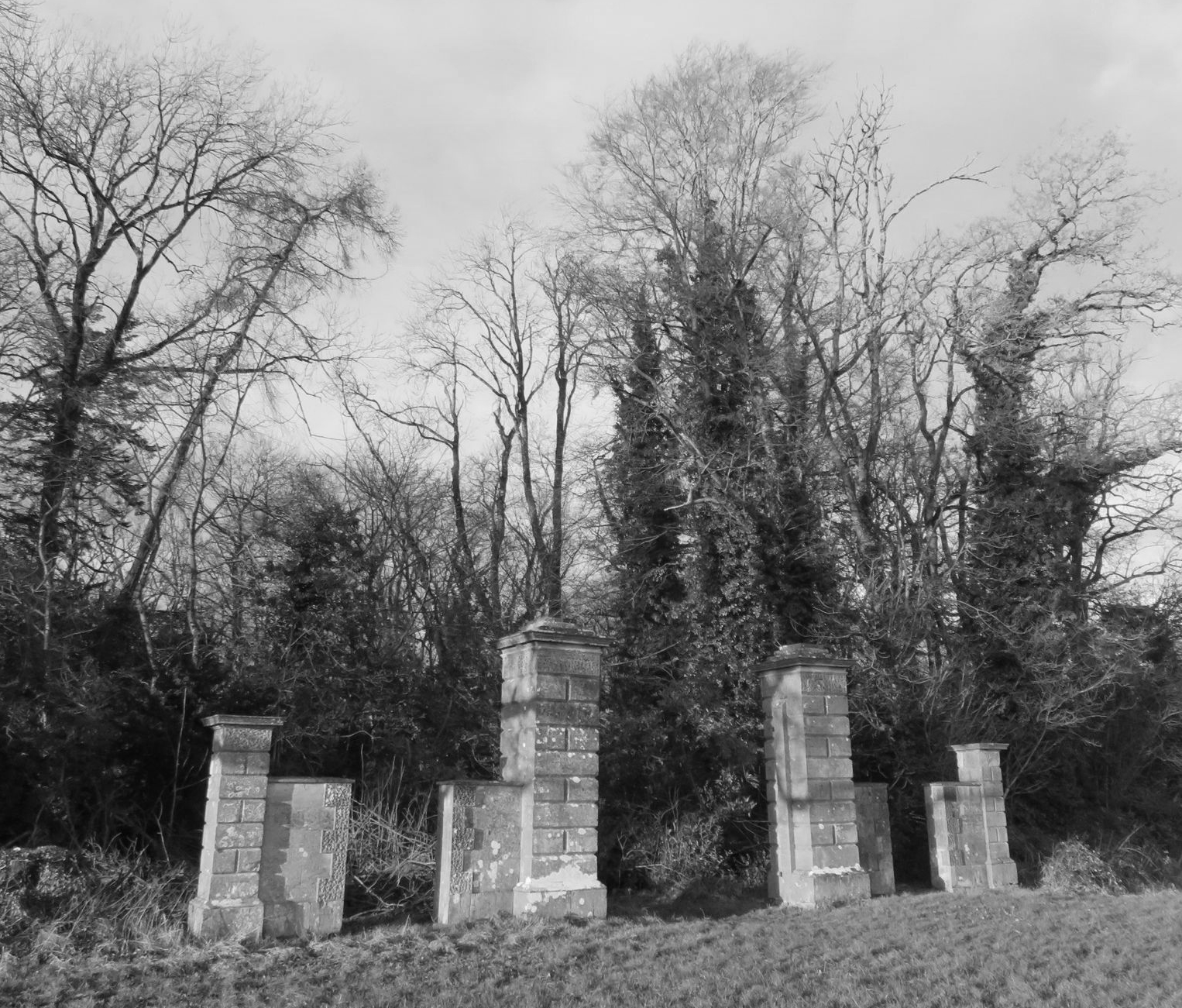
Babington Woods - Entrance with remains of driveway gates

Downside Abbey rising through the mist, taken from the fields at Holcombe Old Church
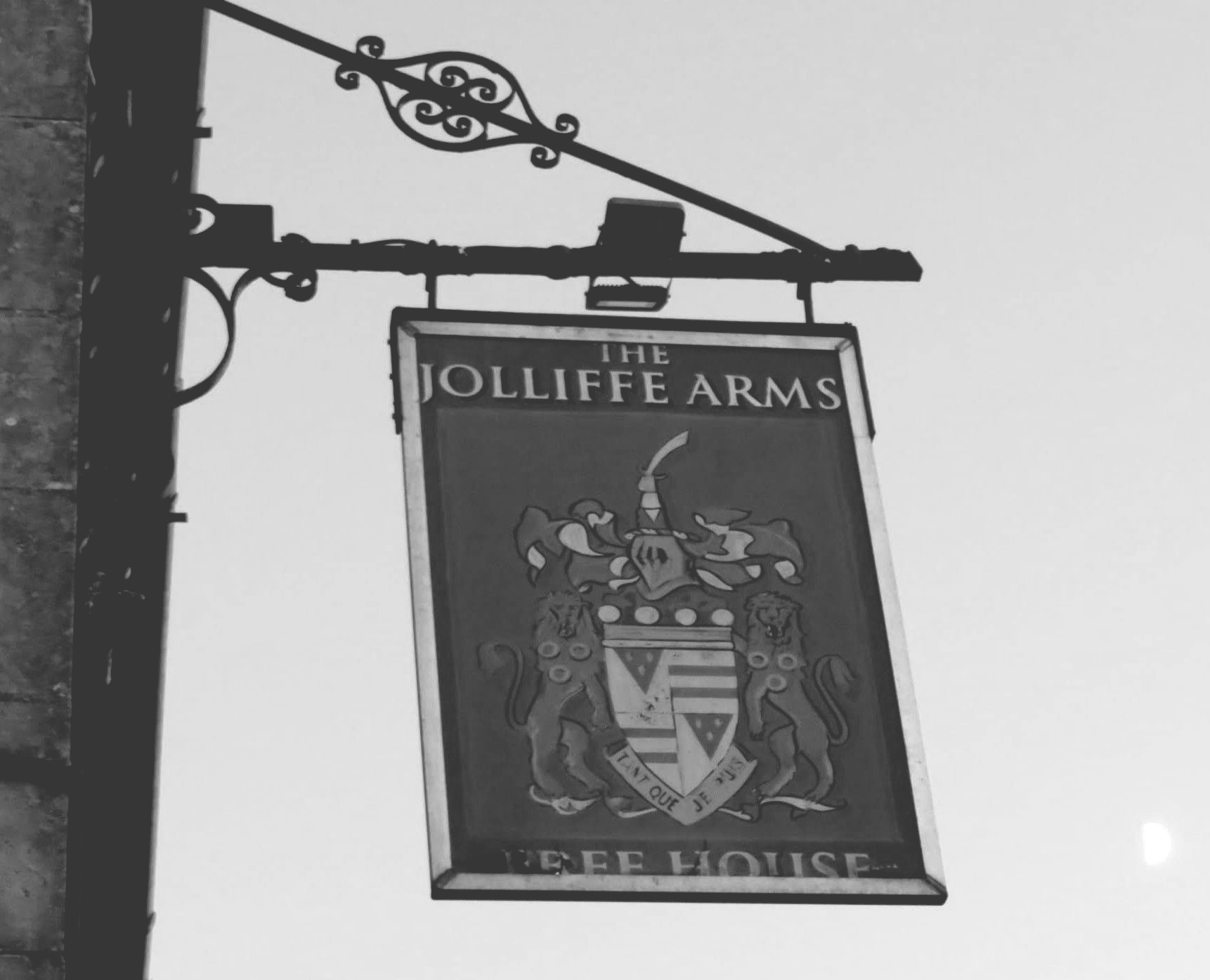
Jolliffe Arms Pub sign - Kilmersdon
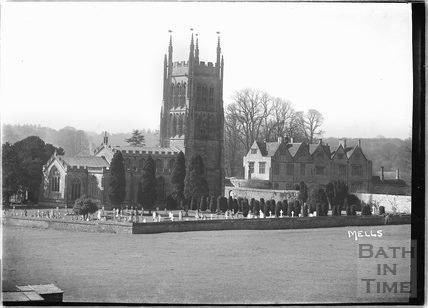
Church and Manor House at Mells, Somerset c.1938 George Love Dafnis - Bath in Time
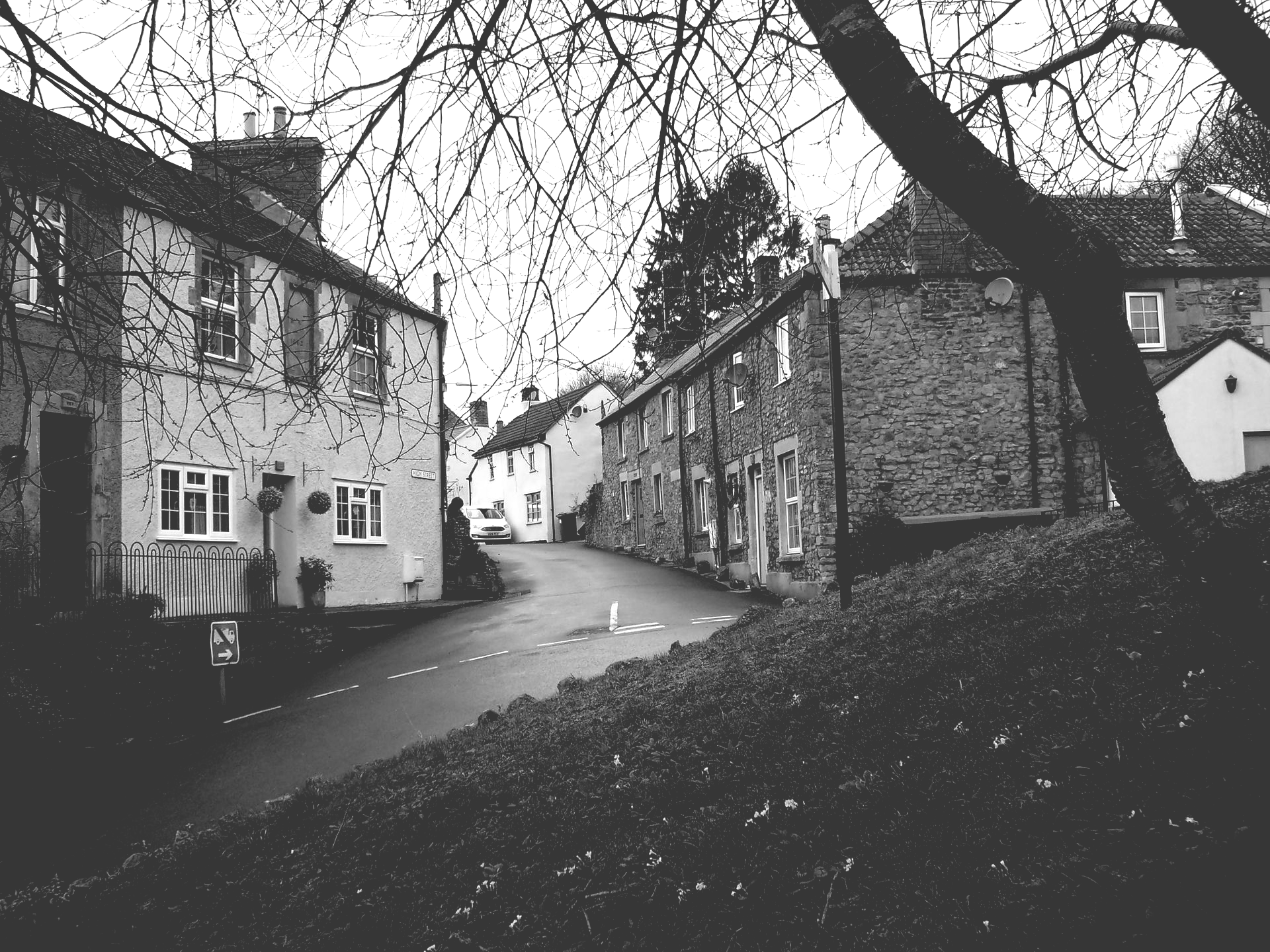
Coleford Old Village