Uncle Toms Cabin - Wincanton - History & Hauntings
Uncle Tom’s Cabin, Wincanton: History, Hauntings and the Stories Behind the Pub
An old Somerset inn with a history stretching back centuries, and a reputation for unexplained happenings.
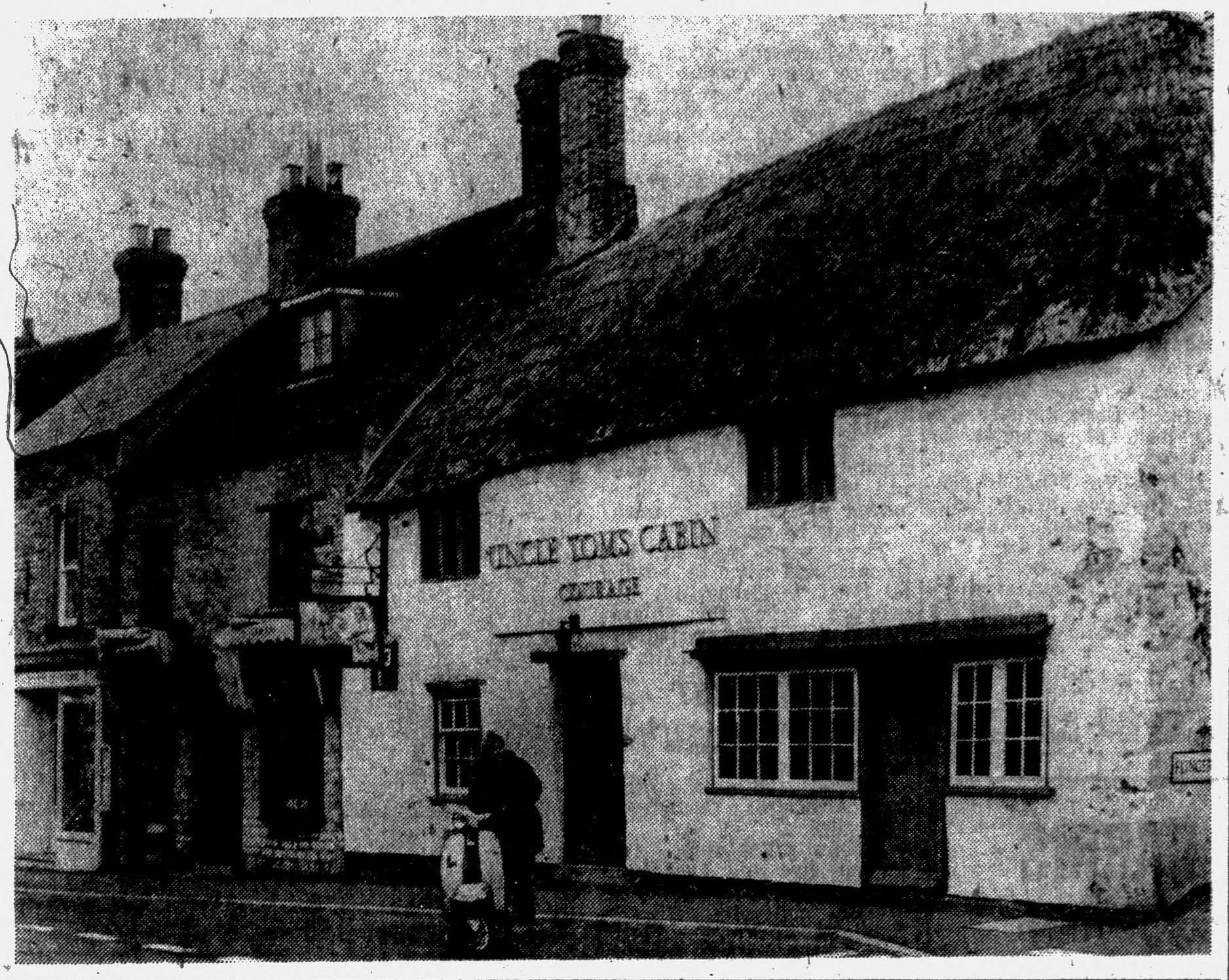
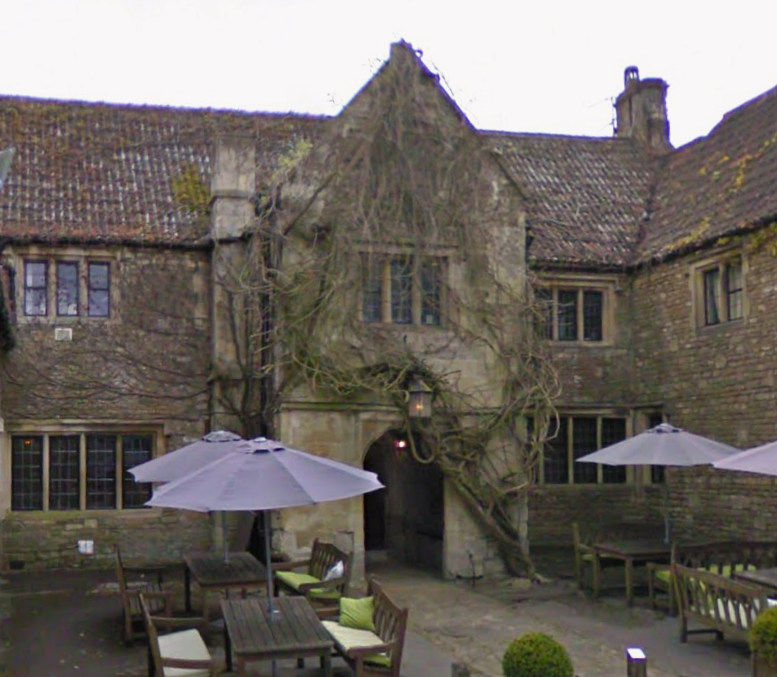
On Wincanton High Street stands Uncle Tom’s Cabin, a traditional thatched public house with a history reaching back to the 18th century.
Like many old inns, it has accumulated stories over the years, but few have attracted quite as much curiosity as those concerning its alleged hauntings.
But before exploring the ghost stories, it is worth looking at the history of the building and the events that have shaped its place in Wincanton.
The origins of Uncle Tom’s Cabin are believed to lie in the rebuilding of Wincanton following the devastating fire of 1707.
The fire destroyed around 44 houses and caused considerable damage to the town, particularly along the High Street.
Much of the area had to be rebuilt, and the building that would eventually become the inn is thought to date from the years that followed.
Today, the property is Grade II listed, Historic England describes it as a former house dating from at least the eighteenth century, constructed of stone rubble beneath a thatched roof.
Its winding staircase and traditional layout are among the features that give the building its character.
It became a public house in May 1861, possibly taking its name from Uncle Tom’s Cabin, the famous novel by American author Harriet Beecher Stowe, published in 1852.
The inn soon became part of everyday life in Wincanton.
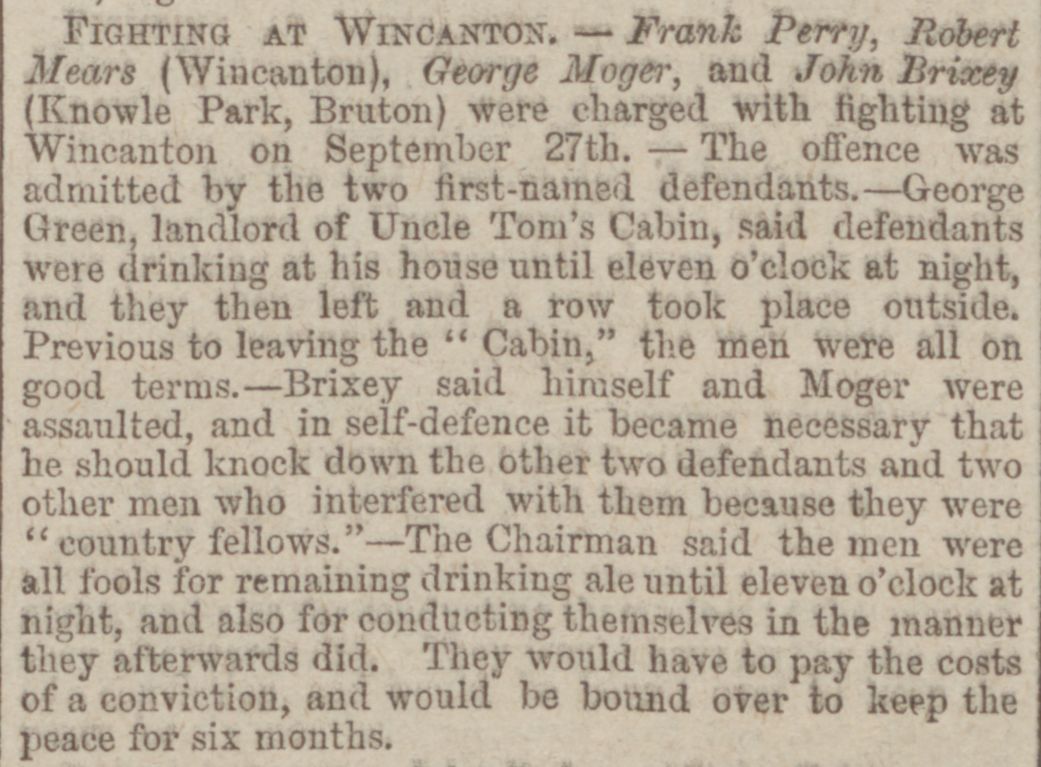
Newspaper reports from the Victorian period provide occasional glimpses of its landlords and customers, including references to the Green family, who were associated with the premises during the nineteenth century.
There were also appearances at the local petty sessions involving customers, disagreements, drunkenness and fighting.
Such incidents were not unusual in Victorian public houses, and the reports offer a small insight into the livelier side of the inn's history.
By the twentieth century, the pub had passed through further hands.
A 1967 newspaper account of landlord Sidney Galliver and his wife Mabel described a long family association with the establishment.
By then, the upstairs rooms were no longer used for sleeping accommodation, having been put to storage use instead.
It is a building that has witnessed considerable change, both in the town around it and in the way its own rooms have been used.
The Ghostly Reputation
Uncle Tom’s Cabin is now associated with a number of reports of unexplained activity.
Among the stories told about the pub are accounts of a child giggling, glasses breaking without apparent reason, objects moving, icy blasts of air and people experiencing the unsettling sensation of somebody standing close behind them when nobody is there.
The activity is also reported in the adjoining cottage where the owners live.
It is thought that the activity is because of a fire on the premises where a family including a child possibly died, but on research there is no available documented evidence of that happening since the pub was rebuilt prior to 1861, whether there was a family that perished in the Great Wincanton Fire of 1707, its impossible to know and records confirming this are vague.
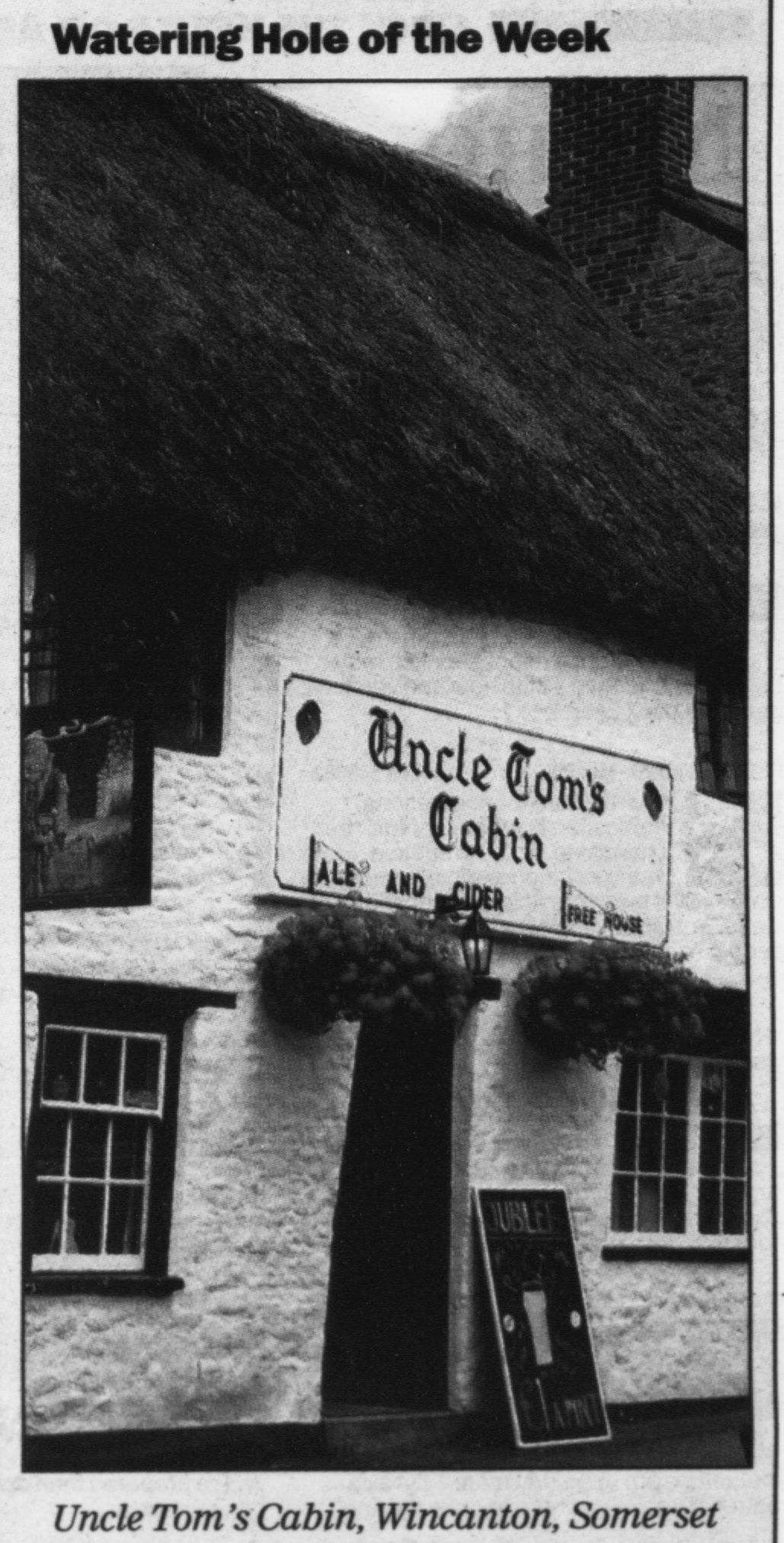
One particularly interesting reference to the haunting appeared in a newspaper interview in 1999.
An 87-year-old regular, who had been visiting the pub for 63 years, remarked during the interview that the pub had a ghost.
No further details were given, and the newspaper did not identify the supposed spirit, in that article.
Nevertheless, the comment is significant because it places the pub's ghostly reputation in local conversation well before its more recent television exposure.
Other accounts have since described different types of activity, including the presence of a male figure.
As with many haunting reports, however, the details vary, and it is difficult to establish how some of the stories may have first developed.
What does the history reveal?
A search through historical newspaper archives offers plenty of references to the pub, its landlords and the occasional disturbance involving customers.
What it does not readily reveal is a documented tragedy that might explain the haunting stories.
In particular, no documented death occurring inside Uncle Tom’s Cabin has been identified in the publicly accessible newspaper archives searched for this article.
This cannot rule out every possible death over the building's long history, but there is currently no historical evidence to support the more dramatic claims sometimes associated with haunted properties.
One incident does stand out.
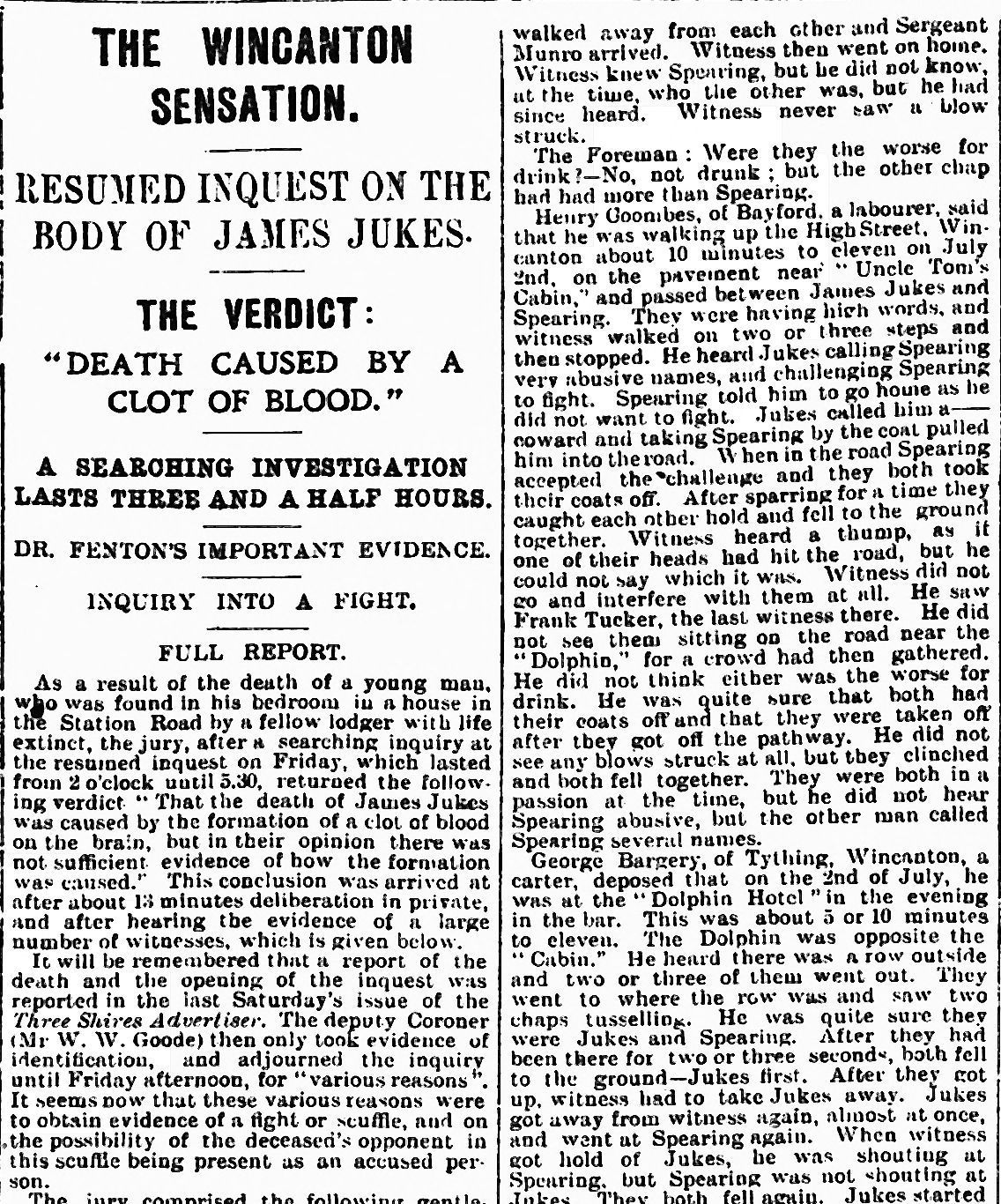
In July 1910, the pub became connected with a newspaper story described as the “Wincanton Sensation”.
A man named James Jukes had been involved in an altercation at Uncle Tom’s Cabin with other men who had been drinking there.
He died approximately two weeks after the incident, and an inquest followed.
It is important to distinguish between the fight and the subsequent death. Jukes did not die at the pub, and the incident should not be described as a fatality occurring inside the building. The newspaper coverage and inquest provide a genuine historical connection, but there is no evidence linking the incident to the later reports of paranormal activity.
The Television Investigation
Uncle Tom’s Cabin later featured in the paranormal investigation series Help! My House Is Haunted, in an episode broadcast in 2019.
During the investigation, medium Chris Fleming described sensing a group of soldiers associated with the property.
The programme also explored reports of a child presence and other unexplained activity, with the team considering possible historical connections.
These were impressions and interpretations made during the investigation, rather than established identifications of people who had lived or died at the pub.
The programme brought further attention to Uncle Tom’s Cabin, although its ghostly reputation had already appeared in a newspaper interview twenty years earlier.
A history of its own
Uncle Tom’s Cabin has a long and varied history, from the rebuilding of Wincanton after the great fire of 1707 to its opening as an inn in 1861 and its continued life as a public house.
Its newspaper history reveals the ordinary business of an old town inn: successive landlords, customers, occasional disturbances and generations of people passing through its doors. Its ghostly reputation is also longstanding, although the historical records offer few definite clues about the identities of the figures said to haunt it.
There is a distinction between the history that can be documented and the experiences that have been reported over the years. The two are not necessarily incompatible, but neither should be confused with the other.
For now, Uncle Tom’s Cabin remains an intriguing part of Wincanton's heritage, with a history that can be traced through the records and a collection of stories that continue to attract interest.
Historical note: This article draws on listed-building information, local historical sources and publicly accessible newspaper archives.
The absence of a newspaper report does not prove that an event never occurred, but no documented death inside the premises has been identified in the material consulted.
© Somerset Paranormal