The Ghosts of The Circus, Bath

P Wallace - Bath Paranormal • November 24, 2026

Bath is a city steeped in history, and few of its architectural landmarks are quite as remarkable as The Circus.

With its grand curved terraces, elaborate stonework and intriguing associations with ancient symbolism, it is perhaps fitting that this famous Georgian address should also have its share of ghost stories.

But behind the elegant façades lies an account of unexplained disturbances, a troubled basement flat and an elderly woman who reportedly continued to make her presence known long after she had passed away.


A Little History

Originally known as King’s Circus, The Circus was designed by celebrated Bath architect John Wood the Elder.

Construction began in 1754, but Wood died just a few months after the foundation stone was laid. His son, John Wood the Younger, continued his father’s work, completing the development in 1768.

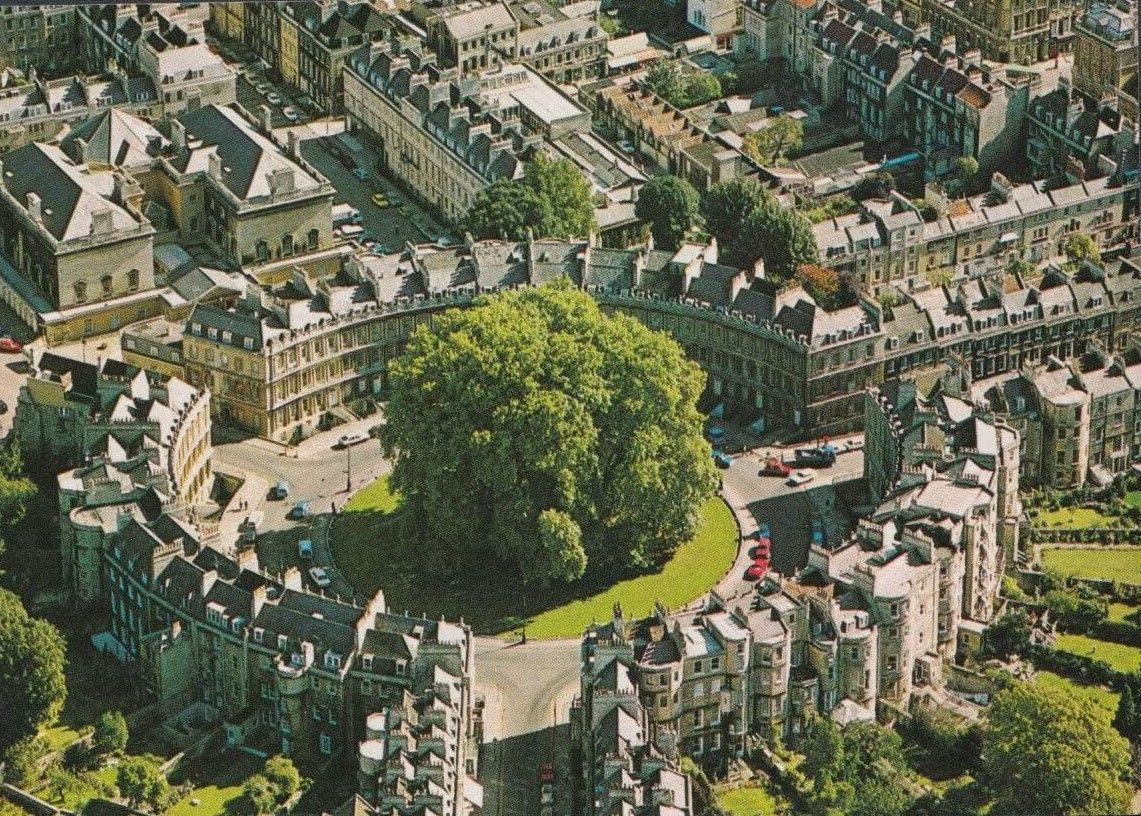
The Circus comprises three sweeping curved terraces of Grade I listed Georgian townhouses, arranged in a perfect circle with three entrances.

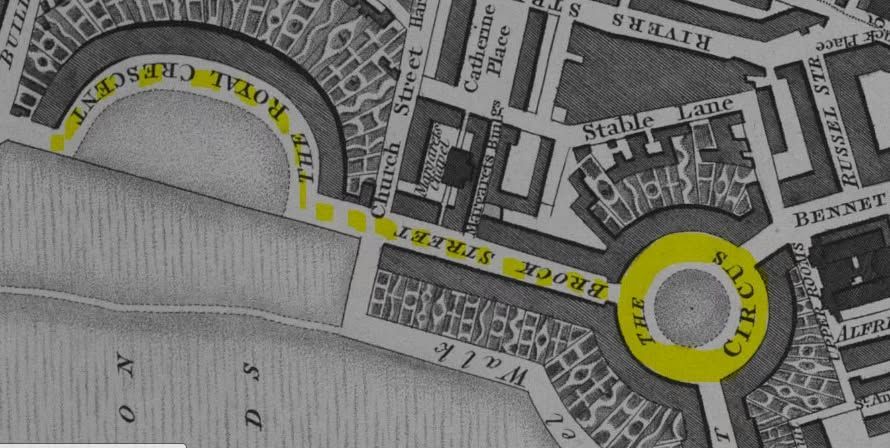
Look at the layout from above and an interesting feature emerges.

Together with Queen Square and Gay Street, The Circus forms a distinctive key-shaped arrangement, often associated with Masonic symbolism.

John Wood the Elder was fascinated by Britain’s ancient past and particularly by the Druids.

He believed Bath had once been an important centre of Druid activity and studied prehistoric monuments, including Stonehenge, when developing his architectural ideas.

He was particularly interested in the dimensions of ancient stone circles, and the diameter of The Circus was designed to correspond with his interpretation of Stonehenge.

The buildings themselves are full of curious details.

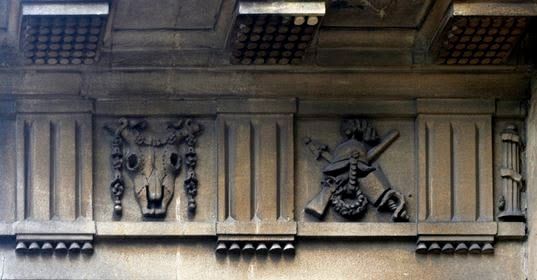
Look closely at the carved stonework and you will discover an assortment of decorative emblems, including serpents, acorns and nautical symbols.

There are also later interpretations linking The Circus with ancient symbolism, ley lines and the sun and moon, adding another layer of mystery to this extraordinary location.


Famous Residents and Wartime Destruction

Over the years, The Circus has been home to some notable residents.

The celebrated artist Thomas Gainsborough lived at number 17 between 1759 and 1774, using the property as his portrait studio.

More recently, the Hollywood actor Nicolas Cage has also been associated with the famous address.


But The Circus has not escaped the darker chapters of Bath’s history.

During the devastating Baedeker Raids of April 1942, German aircraft attacked Bath in three separate raids over the nights of 25–27 April.

The raids were retaliation for RAF bombing of historic German cities, including Lübeck.

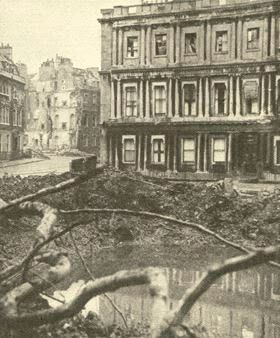
Several houses in The Circus were destroyed or badly damaged, along with buildings elsewhere in the city.

One particularly tragic incident involved fireman Leonard Henry Smith, who was killed on 27 April while manning a fire pump in The Circus.

An unexploded bomb detonated nearby, killing him outright.

His death is a reminder that the beautiful Georgian streets we see today have witnessed some terrible events.


The Haunting

It was towards the end of the 1950s and into the early 1960s that one particular property in The Circus reportedly developed a reputation for unexplained activity.

For discretion, the house number is being withheld.

The disturbances began following renovation work to a basement flat.

The workmen employed on the project described an unsettling and threatening atmosphere while carrying out their work.

Once the renovations were complete, a lady moved into the newly refurbished accommodation.

It wasn’t long before she began experiencing some very peculiar occurrences.

Objects would move around the flat, sometimes shifting only a few centimetres, on other occasions disappearing from one room and turning up in another.

The lady was naturally rather meticulous and tidy, and initially questioned whether she might simply be misremembering where she had left things.

Eventually, she resorted to drawing chalk outlines around objects so that she could be certain whether they had moved.

And move they did.

Some items were found displaced from their original positions, while others appeared to have travelled considerable distances around the flat.

There were other strange occurrences, too.

The leaves on her houseplants would begin to sway and move as though caught in a breeze, despite all the windows and doors being firmly closed.

At night, she would sometimes wake to the sound of somebody moving around the room. Yet whenever she looked, there was nobody there.

Her cleaner, however, was convinced that she had seen something.

On several occasions, she reportedly encountered the apparition of an elderly lady wearing a long dress, sitting quietly beside the fire.

Who was this mysterious woman?

Was she connected to the history of the property, or was something else responsible for the strange disturbances?

Unfortunately, the identity of the apparition remains unknown.


Another ghostly presence ?

The elderly woman is not the only ghostly figure associated with The Circus.

In his book Haunted Bath, author David Brandon also records the account of a ghostly young lady who is said to sing.

Little further detail is available in the published description, and it is not known whether this reported apparition has any connection with the disturbances in the basement flat.

Perhaps there are other stories hidden behind the elegant Georgian façades, waiting for someone to tell them.


The Circus may be one of Bath’s most celebrated architectural achievements, but perhaps its history is not quite as peaceful as its beautiful appearance suggests.


Have you experienced anything unusual at The Circus, or do you know of any other stories associated with this famous Bath landmark?

There may be more spirits residing within these historic walls, with their stories yet to be told.


Sources: Visit Bath; David Brandon, Haunted Bath (The History Press). Historical photographs and mapping: Rare Old Prints Online and Know Your Place.

Carving details - Photographer - Rob Yeatman - Bath in Time

Crater in the Circus, April 1942 - Bath in Time


By Bath Paranormal • November 25, 2026
St James Park, aka Pigeon Park – Bath Tucked away between Lower Borough Walls and St James's Parade, with St James Passage running behind it, sits a small patch of green space in the heart of Bath. To the front are the former Hope Chapel buildings, now converted into flats, and St James Memorial Hall. On a sunny day, it is an unremarkable little park, often occupied by people enjoying their lunch, surrounded by the large population of pigeons which have given the place its familiar local nickname, Pigeon Park. But beneath this seemingly ordinary patch of grass lies a much darker history. A former burial ground, thousands of burials, an alleged story of a local legend involving a curse which supposedly prevented the land from ever being developed. And, perhaps, a few more recent unexplained happenings in the neighbouring buildings. St James's Burial Ground St James's Church once stood nearby, on the site now occupied by the modern shopping and banking premises around the former church location. The church itself was built in the 18th century, with work beginning in 1768, although the history of worship on the site went back further. The church was badly damaged during the Bath Blitz in April 1942 and was eventually demolished in 1967. The burial ground, situated between Lower Borough Walls and St James's Parade, had a considerably long history. According to Bath Record Office, the burial ground was closed in 1855. The Bath Burial Index estimates that 9,905 individuals were buried here between 1718 and 1855. That is an extraordinary number of people for such a small area. In 1775, the roadway of Lower Borough Walls was widened, taking in part of the burial ground. No memorials survive in their original positions today, and there is no way to identify or photograph individual burial plots from the present-day park. The surviving burial ground has undergone several stages of landscaping, but the former cemetery remains beneath the modern green space. The history of St James's Church also includes a separate episode involving human remains. When the ruined church site was being prepared for sale, bodies in lead coffins and numerous human bones were removed from beneath the church. On 11 February 1960, these remains were reinterred in a plot at the northern end of Bath Abbey Cemetery, under the supervision of the Archdeacon of Bath. These were remains from beneath the church itself, rather than the neighbouring burial ground at Pigeon Park. What Became of the Burial Ground? The future of the old burial ground was not always straightforward. In 1925, a proposal was made to use the ground as the site of a Men's Club. The parish council decided that the time was not right and asked for the scheme to be held in abeyance for twelve months. The following year, the Parks Committee attempted to acquire the ground for use as a playground. There were also proposals to turn the space into a pleasant garden, with flower beds and seating for older residents. However, the church authorities initially resisted the plans. Eventually, the area became the small public green space we see today. Interestingly, some of the old gravestones were removed and relocated to paths surrounding St Philip and St James Church at Odd Down. The Gordon Riots – A Chapel Destroyed There is another rather turbulent chapter in the history of the neighbouring buildings. In June 1780, Bath experienced its own outbreak of anti-Catholic violence during the Gordon Riots, a period of widespread unrest which had begun in London. On Friday 9 June, a mob descended upon the newly built Roman Catholic chapel in St James’s Parade, attacking and destroying its interior. The adjoining residence of Catholic priest Dr John Bede Brewer was also ransacked. Despite attempts by local volunteers to protect the buildings, the violence escalated. By around two o’clock in the morning, the chapel, the priest’s house and four adjoining properties were ablaze. The chapel was left in ruins. The building was subsequently restored and used by Protestant congregations before eventually becoming associated with the Friends’ Meeting House. In 1866 it was purchased by the Methodist Free Church and given the name Hope Chapel. So the former Hope Chapel buildings beside Pigeon Park have a rather turbulent religious history, having stood on a site associated with one of Bath’s most violent episodes of anti-Catholic unrest. The Neighbouring Buildings – Are There Other Stories? The history of Pigeon Park is interesting enough, but there are also reports of unexplained experiences from neighbouring premises along Lower Borough Walls. One account concerns a pet shop situated behind the park, where workers have reportedly experienced strange noises and sightings of a little girl. There have also been reports of animals becoming unsettled for no apparent reason. Another business along the same stretch has reportedly experienced what staff describe as poltergeist activity, along with an uncomfortable, foreboding atmosphere in its cellar. The cellar is particularly interesting because it contains an exposed section of the old medieval city wall. Whether these experiences have anything to do with the former burial ground, the surrounding historic buildings or simply the atmosphere of these old premises is impossible to say. I have not established a direct connection between these reports and Pigeon Park itself, but they certainly add another layer of intrigue to this small corner of Bath. A Witch's Curse? There is an alleged local legend associated with Pigeon Park which tells of a woman accused of witchcraft during the 15th century. According to the 'story' she was condemned and executed at this location, supposedly burnt at the stake. Before her death, she is said to have uttered a curse upon the ground where the execution stake had stood, declaring that the land should never be built upon. The story goes on to suggest that this curse is the reason the small plot has remained undeveloped, despite its valuable position in the centre of Bath. But how much truth is there to this tale? The site lies close to the route of Bath's former medieval city defences, outside the historic city boundary. For now, the story of the 15th-century witch and her dying curse must remain exactly what it is: unverified local folklore, rather than established history. ** Update - after publishing it appears from a local source that this witch curse story was actually made up by someone they knew, what a shame as its a wonderful piece of folklore. A Little Park with a Long Memory? It is rather strange to think that beneath the grass where people now sit eating their lunch, thousands of people were once laid to rest. With reports of unexplained activity in the neighbouring buildings, I am left wondering whether there is more to this little corner of Bath than meets the eye. Have you ever experienced anything unusual around Pigeon Park, Lower Borough Walls or the surrounding buildings? I'd be particularly interested to hear from anyone who has worked in the neighbouring shops or buildings and has their own experiences to share. Sometimes the smallest and most overlooked places have the most interesting stories to tell. Historical sources and further reading: Bath Record Office – St James Burial Ground. Bath Burial Index – St James, Bath (1718–1855). Bath in Time – historical photographs and records of Hope Chapel. Know Your Place – Bath historical mapping. Find a Grave – burial and cemetery references. David Brandon – Haunted Bath (Pigeon Park curse legend). Historical research and original writing: © P. Wallace – Bath & Somerset Paranormal
By Penni Wallace • November 24, 2026
This is a subtitle for your new post
By Phantoms & Fables • November 22, 2026
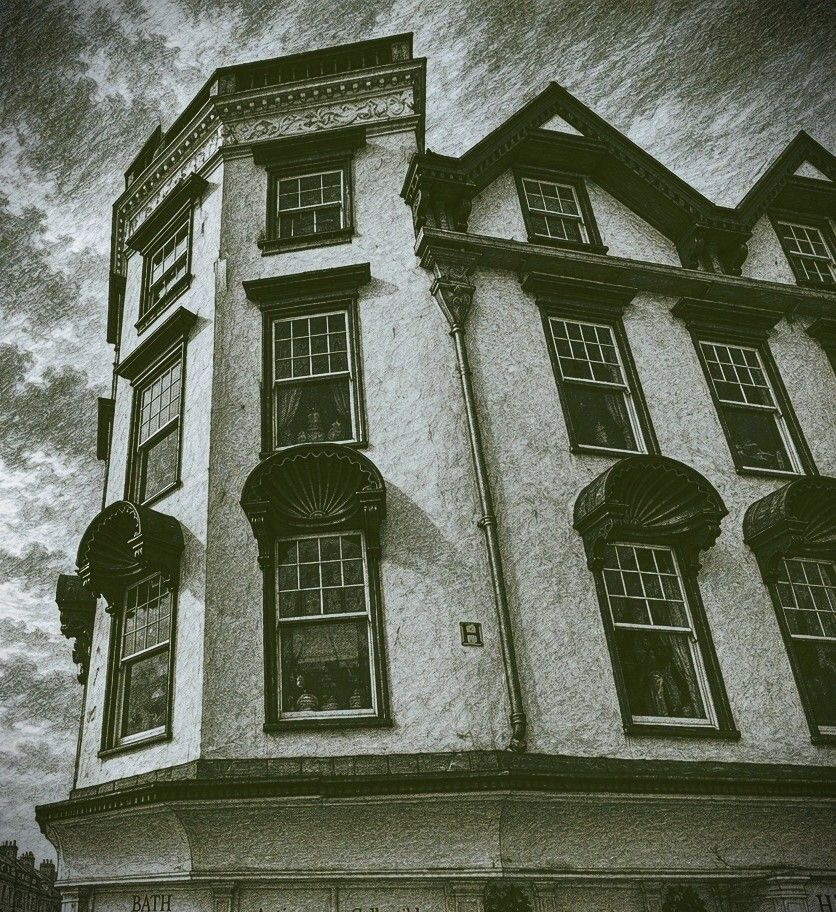
From my Phantoms and Fables Publication on Substack Whispers from Above the Regency Shops There are some places in Bath that have acquired an unsettling reputation over the years, and not always for reasons that are easy to explain. Above one of the city’s old Regency shopping terraces are rooms where visitors have reported an oppressive atmosphere, sudden drops in temperature and unexplained disturbances. Some have spoken of objects moving without explanation; others have described the unmistakable sensation of being pushed by something they couldn’t see. The following is an imagined account inspired by those reports. The Visit It was late afternoon when Thomas first entered the empty premises. He had been asked to look over the building before arrangements were made for some work to be carried out. The shops below had long since closed and the upper rooms had stood unused for some time. From the street, the building looked almost charming. Its unusual roofline and old-fashioned windows seemed to belong to another age, while the busy streets of Bath carried on around it as they had done for centuries. Inside, however, the atmosphere was quite different. The shop floor was bare. Dust lay across the surfaces, and the faint smell of old wood and damp lingered in the air. There was little natural light, and the rooms seemed darker than they should have been. Thomas had visited plenty of old properties before and thought little of it. He began his inspection downstairs, making a few notes before moving towards the staircase. It was there that he first noticed the cold. It wasn’t simply the chill of an empty building in winter, it seemed to gather around the stairwell, an unnatural pocket of cold air that made him pull his coat closer. He paused, listening, somewhere above him came a faint sound. A footstep, then another. He called out, assuming someone else had entered the building. There was no reply, he continued upstairs. The Upper Rooms The rooms above the shops were largely empty, with old floorboards, bare walls and the remains of a life that had once occupied them. Thomas opened the first door and looked inside. Nothing unusual. The next room was much the same. But as he reached the landing, he became aware of a strange sensation: the feeling that he was not alone. He turned. The staircase behind him was empty. He stood still for a moment, listening, before dismissing the feeling as nerves. Then something moved in the room he had just left. A small wooden object, which he had noticed sitting on the windowsill, was now lying on the floor. Thomas stared at it. He was certain he hadn’t knocked it over. He picked it up and placed it carefully back on the sill, then continued with his inspection. A few minutes later, he returned to find it on the floor again. This time, he didn’t pick it up. He made a note of the work he had come to inspect and decided it was time to leave. As he turned towards the landing, he felt something touch his shoulder. It was light at first, almost like the brush of someone’s hand. Then came a sudden, forceful shove. Thomas stumbled forward and caught himself against the wall. He spun around, expecting to see someone standing behind him. There was nobody there, the landing was empty. For several seconds he remained completely still, listening for movement, nothing came. No footsteps, no voices, not even the creak of the old floorboards. Then, from somewhere below, he heard the sound of a shop bell. A clear little chime, followed by the murmur of female voices. He looked down towards the staircase. For a fleeting moment, he thought he could hear the bustle of a busy shop: the movement of customers, the shuffle of feet and swishing of skirts and the indistinct conversation of people going about their day. Then it stopped. The silence that followed was so complete that he could hear his own breathing. He hurried downstairs. The shop floor was exactly as he had left it. Empty, dusty and silent. There was no bell, there were no customers, there was nobody in the building. Thomas hastily locked up and left without looking back. The Last Sound Outside, the streets were still busy, people passed shop windows, conversations drifted through the evening air, and the familiar sounds of the city seemed reassuringly ordinary. Thomas walked away, trying to convince himself that the strange events inside had been nothing more than the effects of an old, neglected building. He had almost reached the end of the street when he heard it. A small bell, a single, clear chime, he stopped and looked back. The shops stood as they had before, their windows were dark, and the upper rooms were hidden behind the fading light. There was no movement. No sound. Thomas turned away and continued walking. But later that evening, when he emptied his pockets, he found something he hadn’t noticed before: a fine layer of dust on his coat, just where he had felt the hand touch his shoulder. And beneath it, caught in the fabric, was a tiny piece of old, dark wood. He had no idea where it had come from. The End This is a work of fiction, inspired by reports of unexplained activity in an historic building above the shops in Bath. The characters and events are entirely imagined. © Phantoms & Fables/ Bath Paranormal/ P Wallace Artwork - PJW Artworks
By Somerset Paranormal • November 22, 2026
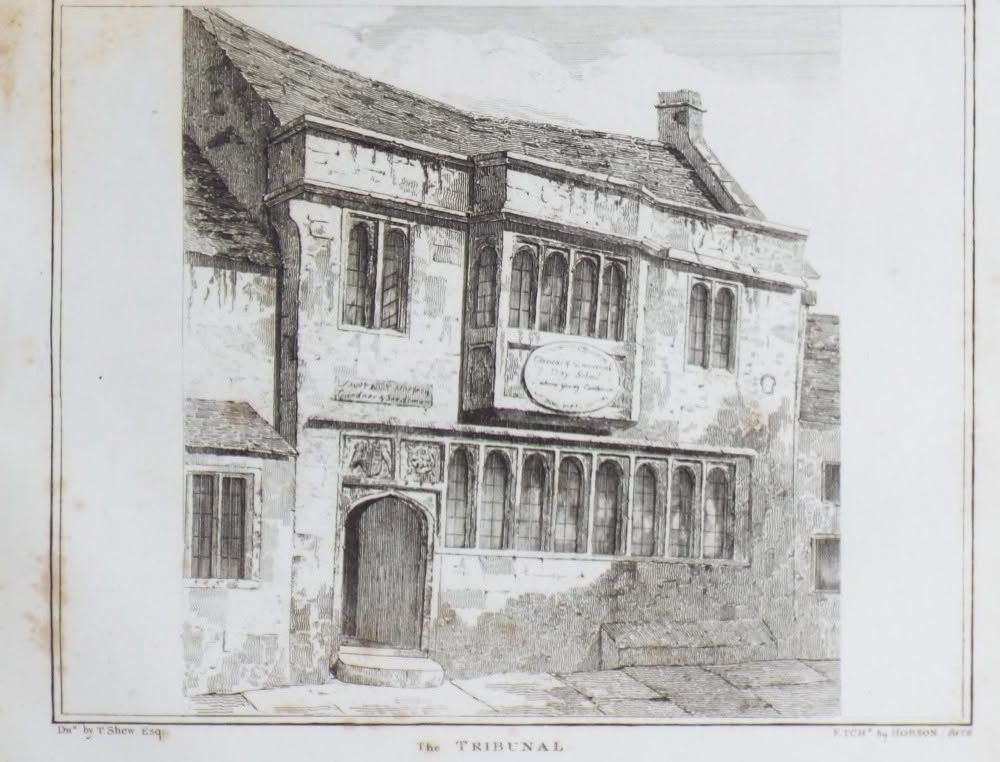
The Gauntlet, Glastonbury – A Thousand Years of History and Unexplained Activity Tucked away in the heart of Glastonbury's historic High Street, The Gauntlet is an intriguing shopping arcade with a history stretching back centuries. Today it houses a collection of independent shops, but beneath its modern appearance lies a much older story, with archaeological discoveries, changing businesses and reports of unexplained activity. A Thousand Years of History Located at 11 High Street, The Gauntlet occupies a site with a long history of occupation. Archaeological investigations undertaken ahead of its redevelopment revealed evidence of activity dating back to the 12th century, with finds including Romano-British pottery fragments, coins, glass, slate and animal bones. Some of these discoveries were donated to the Somerset Museum in Taunton. The site also has an interesting connection with its famous neighbour, the medieval Tribunal. During the 15th century, the Tribunal's kitchen was relocated onto the adjoining land, and parts of the historic structure are believed to survive within the present-day Gauntlet. Over the centuries, the buildings have served a variety of purposes. The site once included a barber's shop and Old Bank House, both believed to have been destroyed by fire. A Regency-style shopfront was subsequently constructed, probably after 1830. Its commercial history continued with a succession of businesses, including a library, auctioneers, stationers, an electrical shop and, during the 1990s, a Spar supermarket. Purchased in 2003, the site underwent an extensive four-year redevelopment, combining historic buildings with new construction. The Gauntlet shopping arcade officially opened on 4 July 2007, creating the shopping thoroughfare seen today. Unexplained Activity Despite its transformation, The Gauntlet has acquired a reputation for some rather unusual happenings. Accounts of paranormal activity describe several different presences within the building. One is a strong male presence known as George, reportedly encountered around a staircase and in a back room. Other names associated with the building include a monk called Barnabus and a young man named Jack. There have also been mentions of an ancient warrior, although little further information appears to be available about this particular account. Other reported experiences include unexplained temperature drops, the sensation of being watched, electrical switches apparently operating by themselves and objects being moved or thrown around. Whether any of these experiences have a connection with the site's long and varied past is impossible to establish. However, given the centuries of activity on this small piece of Glastonbury's historic High Street, The Gauntlet certainly has an interesting story to tell. Paranormal accounts and reported experiences are presented as local stories rather than independently verified events. Source - Paranormal Somerset - Selena Wright Images - Trip Advisor, Rare Old Prints, Know your place maps 1888
By Somerset Paranormal • November 22, 2026
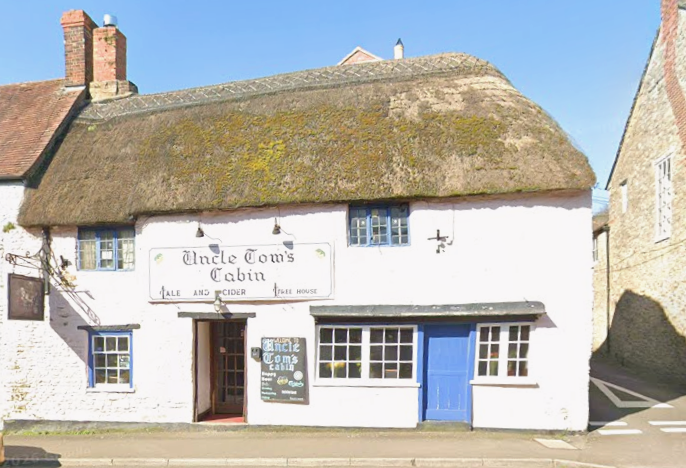
Uncle Tom’s Cabin, Wincanton: History, Hauntings and the Stories Behind the Pub An old Somerset inn with a history stretching back centuries, and a reputation for unexplained happenings. On Wincanton High Street stands Uncle Tom’s Cabin, a traditional thatched public house with a history reaching back to the 18th century. Like many old inns, it has accumulated stories over the years, but few have attracted quite as much curiosity as those concerning its alleged hauntings. But before exploring the ghost stories, it is worth looking at the history of the building and the events that have shaped its place in Wincanton. The origins of Uncle Tom’s Cabin are believed to lie in the rebuilding of Wincanton following the devastating fire of 1707. The fire destroyed around 44 houses and caused considerable damage to the town, particularly along the High Street. Much of the area had to be rebuilt, and the building that would eventually become the inn is thought to date from the years that followed. Today, the property is Grade II listed, Historic England describes it as a former house dating from at least the eighteenth century, constructed of stone rubble beneath a thatched roof. Its winding staircase and traditional layout are among the features that give the building its character. It became a public house in May 1861, possibly taking its name from Uncle Tom’s Cabin, the famous novel by American author Harriet Beecher Stowe, published in 1852. The inn soon became part of everyday life in Wincanton. Newspaper reports from the Victorian period provide occasional glimpses of its landlords and customers, including references to the Green family, who were associated with the premises during the nineteenth century. There were also appearances at the local petty sessions involving customers, disagreements, drunkenness and fighting. Such incidents were not unusual in Victorian public houses, and the reports offer a small insight into the livelier side of the inn's history. By the twentieth century, the pub had passed through further hands. A 1967 newspaper account of landlord Sidney Galliver and his wife Mabel described a long family association with the establishment. By then, the upstairs rooms were no longer used for sleeping accommodation, having been put to storage use instead. It is a building that has witnessed considerable change, both in the town around it and in the way its own rooms have been used. The Ghostly Reputation Uncle Tom’s Cabin is now associated with a number of reports of unexplained activity. Among the stories told about the pub are accounts of a child giggling, glasses breaking without apparent reason, objects moving, icy blasts of air and people experiencing the unsettling sensation of somebody standing close behind them when nobody is there. The activity is also reported in the adjoining cottage where the owners live. It is thought that the activity is because of a fire on the premises where a family including a child possibly died, but on research there is no available documented evidence of that happening since the pub was rebuilt prior to 1861, whether there was a family that perished in the Great Wincanton Fire of 1707, its impossible to know and records confirming this are vague. One particularly interesting reference to the haunting appeared in a newspaper interview in 1999. An 87-year-old regular, who had been visiting the pub for 63 years, remarked during the interview that the pub had a ghost. No further details were given, and the newspaper did not identify the supposed spirit, in that article. Nevertheless, the comment is significant because it places the pub's ghostly reputation in local conversation well before its more recent television exposure. Other accounts have since described different types of activity, including the presence of a male figure. As with many haunting reports, however, the details vary, and it is difficult to establish how some of the stories may have first developed. What does the history reveal? A search through historical newspaper archives offers plenty of references to the pub, its landlords and the occasional disturbance involving customers. What it does not readily reveal is a documented tragedy that might explain the haunting stories. In particular, no documented death occurring inside Uncle Tom’s Cabin has been identified in the publicly accessible newspaper archives searched for this article. This cannot rule out every possible death over the building's long history, but there is currently no historical evidence to support the more dramatic claims sometimes associated with haunted properties. One incident does stand out. In July 1910, the pub became connected with a newspaper story described as the “Wincanton Sensation”. A man named James Jukes had been involved in an altercation at Uncle Tom’s Cabin with other men who had been drinking there. He died approximately two weeks after the incident, and an inquest followed. It is important to distinguish between the fight and the subsequent death. Jukes did not die at the pub, and the incident should not be described as a fatality occurring inside the building. The newspaper coverage and inquest provide a genuine historical connection, but there is no evidence linking the incident to the later reports of paranormal activity. The Television Investigation Uncle Tom’s Cabin later featured in the paranormal investigation series Help! My House Is Haunted, in an episode broadcast in 2019. During the investigation, medium Chris Fleming described sensing a group of soldiers associated with the property. The programme also explored reports of a child presence and other unexplained activity, with the team considering possible historical connections. These were impressions and interpretations made during the investigation, rather than established identifications of people who had lived or died at the pub. The programme brought further attention to Uncle Tom’s Cabin, although its ghostly reputation had already appeared in a newspaper interview twenty years earlier.  A history of its own Uncle Tom’s Cabin has a long and varied history, from the rebuilding of Wincanton after the great fire of 1707 to its opening as an inn in 1861 and its continued life as a public house. Its newspaper history reveals the ordinary business of an old town inn: successive landlords, customers, occasional disturbances and generations of people passing through its doors. Its ghostly reputation is also longstanding, although the historical records offer few definite clues about the identities of the figures said to haunt it. There is a distinction between the history that can be documented and the experiences that have been reported over the years. The two are not necessarily incompatible, but neither should be confused with the other. For now, Uncle Tom’s Cabin remains an intriguing part of Wincanton's heritage, with a history that can be traced through the records and a collection of stories that continue to attract interest. Historical note: This article draws on listed-building information, local historical sources and publicly accessible newspaper archives. The absence of a newspaper report does not prove that an event never occurred, but no documented death inside the premises has been identified in the material consulted. © Somerset Paranormal
By Bath Paranormal • November 20, 2026
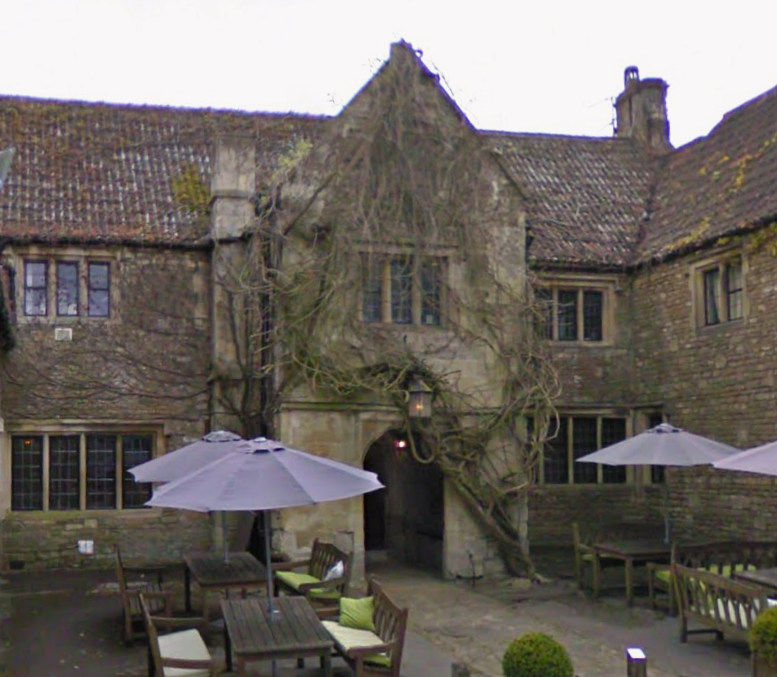
Nestled in the village of Monkton Farleigh, near Bath, stands the historic King's Arms, an old inn with a rather unusual collection of ghost stories attached to it. Formerly known for a time as The Muddy Duck, the pub has a reputation for unexplained footsteps, ghostly figures, strange noises and the lingering presence of those who supposedly never left. Although the inn is often described as a 17th-century building, it retains architectural features dating back further, including an early 16th-century doorway and a substantial 17th-century two-storey porch. The village itself has much older religious connections. A Cluniac priory dedicated to St Mary Magdalene was established at Monkton Farleigh around 1120–1125. By 1294, a community of thirteen monks lived here, and the priory remained an important part of village life until its dissolution in 1535–36. The medieval Monks' Conduit, a stone-built water supply dating from the 14th century, still survives in the surrounding countryside, providing a tangible reminder of the village's monastic past. It is against this backdrop of medieval history that some of the more unusual stories associated with the King's Arms have developed. The Woman in the Lane One of the more frequently reported disturbances takes place above the main bar, where heavy footsteps are said to travel along the upper floor, eventually stopping near a window. It is here that the sound of a woman sobbing has also been reported. Hauntings are not confined to the interior of the pub, however. During the Victorian era, a local woman was reportedly heading home late one night in her carriage when her horse took fright and bolted. Terrified, the woman desperately tried to regain control, but tragedy was to follow. Nearing the inn at great speed, her carriage clipped a wall and overturned, killing her outright. Her sudden and violent death may account for claims from local people who say they have heard the ghostly screams of a woman in the lane, accompanied by the thunder of horses' hooves. Some accounts suggest that the woman's cries are heard on the anniversary of her death, although the identity of the unfortunate traveller and the historical circumstances of the accident remain unconfirmed. The Black Monk The ghost of a monk is said to walk from the pub towards a nearby mine, apparently searching for justice for a crime that befell him during the monastic occupation of the village. Another monk, or perhaps the same one, is reputed to enjoy playing tricks on the bar staff, moving objects and switching lights on and off. The story of the Black Monk is particularly intriguing. It is said that he was discovered by his brethren, quite dead and slumped over paperwork in what is now the inn's main bar. No foul play was suspected, and his body was removed and subsequently buried. His ghost appears reluctant to rest, though. A hooded figure has reportedly been seen walking slowly from the inn towards the Monks' Conduit, passing via the Manor, where he is said to disappear through a door. The nearby Monks' Conduit, a genuine surviving relic of the medieval priory, makes an interesting historical connection for this particular tale. Whether the reported figure has any genuine association with the former religious community is, of course, another matter. The Ghost Miner The King's Arms was reportedly used for hearings and inquiries, and one story concerns an investigation held during the early 19th century following the suspicious death of a local miner. The presiding magistrate was apparently unconvinced by the evidence presented by an eyewitness miner, who had given an account of his colleague's demise. Following the hearing, the witness himself suddenly died. It is thought that his ghost is the figure seen walking from the direction of the mines towards the inn, where he disappears at the doorway. Could it be that, even in death, his spirit is condemned to return, forever attempting to deliver the truth about an incident investigated long ago? The story is particularly interesting given Monkton Farleigh's history of stone quarrying. By the late 19th century, quarrying had become a major local occupation, with almost half the village's labourers reportedly working in the industry by 1881. The Child Known as Miranda A more recent account introduces another possible resident of the inn: a child spirit known as Miranda. In an interview with a former barman, published by Weird Wiltshire in 2021, he described seeing something move quickly across the pub's games area one morning. At first, he thought it was a child. When he later mentioned the incident to another member of staff, he was reportedly told that he had probably encountered Miranda. According to the stories shared by staff, Miranda was sometimes seen sitting on the edge of the bed in room two, crying. There were also reports of her playing hide and seek with members of staff. The former barman also described an unusual experience in his bathroom, when the plug and chain in his bath began swinging during the night. He reportedly managed to record the incident. Unexplained Sounds Other reports from the pub include an unusual experience involving a group of people sitting in the bar who heard what sounded like wings swooping close overhead. There were no birds to be seen. The sound of unexplained footsteps has also been reported by former staff. In his 2021 interview, the former barman described hearing a succession of heavy, deliberate footsteps travelling along the passage above the bar, despite believing himself to be alone in the building. Initially, he considered whether the noise might have been caused by the central heating pipes, but it was the middle of summer and the heating was not running. He subsequently heard similar sounds on other occasions. The Mysterious Gentlemen and the Key One of the more unusual stories concerns renovation work carried out during the 1990s. Whilst work was underway to open up a fireplace in one of the bars, two mysterious gentlemen reportedly called in and warned a barmaid that, "no good will come of your work here". Having delivered their warning, the two men abruptly disappeared, leaving the barmaid somewhat shocked and bewildered. Renovations continued regardless of the strange encounter. A little later, whilst builders were knocking through a wall adjacent to the fireplace, a mysterious key was discovered. The key was apparently tried in every lock in the building but failed to fit any of them. This strange and tantalising artefact is said to have been kept hanging behind one of the bars ever since. A superstition has also grown around the object, with the suggestion that it should not be removed from the premises. Whether the key has any connection to the two mysterious visitors, or indeed to the building's earlier history, remains unknown. A Personal Connection I have a personal connection with the King's Arms, having visited the pub regularly before it became known as The Muddy Duck. I never witnessed anything that I could confidently describe as paranormal, but I always found the toilets rather unsettling. There was something about the atmosphere that made me feel distinctly uneasy. It may simply have been the character of the old building, but it was a feeling that stayed with me. A Haunted Neighbourhood The King's Arms is situated just a short distance from Brown's Folly and the surrounding woodland, an area associated with the well-known local legend of Sally in the Woods. * A Pub With a Past The King's Arms has certainly accumulated an unusual collection of stories over the years. From the sounds of a woman crying in the lane to the hooded figure of a monk, an unidentified child and the unexplained footsteps above the bar, there is no shortage of reported activity. With its early architectural features, the medieval history of the village and the surviving remains of the former priory, Monkton Farleigh provides a fascinating setting for these tales. Perhaps the most intriguing question is whether the stories belong to the pub itself, the wider landscape, or simply the long history of a village where the past is never very far away. As with so many old buildings, the King's Arms has plenty of history within its walls. Whether anything else has remained there is for visitors and former occupants to decide.  © Somerset & Bath Paranormal Images - Google Streetview 2009 & 2024 Key - Haunted Wiltshire/ Google Map - Know your place 1888
By Somerset Paranormal • November 20, 2026
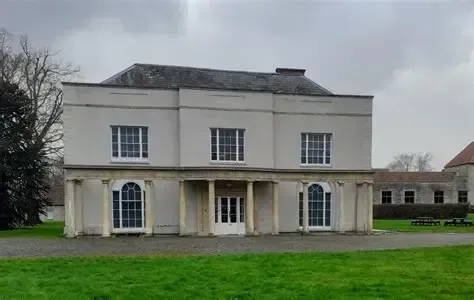
As featured on a BBC article The Shoemakers Museum in Street, Somerset, is housed in a 16th Century manor called the Grange. According to Sam Cullen, manager at the museum, the site is "super-duper haunted". She said the memoir Tales of the Polden Hills, by Frances Wood, written in 1922, describes supernatural occurrences. "This was during a time when people loved a ghost story, when the unknown and creepy was exciting for folk," Cullen said. She said one of the stories tells of two brothers who lived in the manor, one of whom reported seeing a white dog in the kitchen. "A few moments later the other brother came running in and told the exact same tale," Cullen said. "The only difference was that in this retelling the dog got up and left the room via the door. And the boy was like, 'how did the dog leave, the door was locked?' "Within three weeks their father died in his study." Cullen said when she started working at the museum, she did not know about the history. "I thought it was just an abandoned old building," she said. "All of the sudden, this disinfectant hospital smell came out of nowhere," she added. "I asked, 'why does it smells like hospitals in the barn?' "It turns out it used to be used as a quarantine hospital during the Spanish flu," she added. Source - Clara Bullock - article on the BBC news website History - C &J Clark opened the Shoe Museum in 1974 in the oldest part of the factory building in Street. Admission was free and attracted some 45,000 visitors a year The Shoe Museum closed to the public on 27 September 2019, and its artefacts were transferred to the ownership of the Alfred Gillett Trust. In September 2023, planning permission was granted to the Alfred Gillett Trust to build a new Museum called Shoemakers Museum at The Grange, a Grade II listed building, making the collections accessible to the public. The new brick building with a contemporary design created by Purcell Architects joins the Georgian Grange manor house, to a barn with medieval origins. The new museum opened in September 2025, alongside the Shoemaker's Cafe which brings the manor house into use alongside the new museum buildings Research - Possibly the oldest surviving building in Street. The Grange is on the site of a grange for Glastonbury Abbey; it was owned by the Strode family from 1628. A farmhouse mentioned in 1565 may be incorporated at the north end of the present building. It was aggrandized in the 17th century, with further remodelling in the 19th century. Other alterations in the 1890s were associated with changes of use. The building became a school of cookery and house wifery before becoming the Somerset Special School for girls in 1917. It was subsequently a hostel for Belgian refugees during the First World War, and for Spanish refugees in 1937-1938, and a sick bay for armaments workers, evacuees and others until 1948. In 1972 it was restored. In 1999 most rooms were still subdivided as a result of former use by Clarks as a staff hostel and offices. Former barn relating to Glastonbury Abbey, later converted to a coach house and then an office/gallery. A tunnel (4ft high and 2-3 ft wide) was traced from a cellar in the barn to a shaft in 'the field beyond the walled garden' where it contracted to the size of a drain.  Sources - Historic England Images - BBC Article/ Glastonbury Nub News/ British Listed buildings site Map 1884-1888 - Know your Place
By Bath Paranormal • November 19, 2026
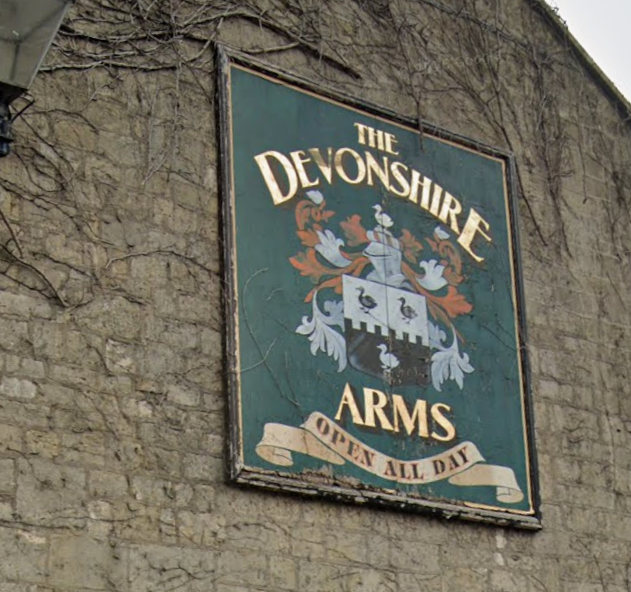
History: The Devonshire Arms may have originally been known as the Wells Arms. It was recorded as the Devonshire Arms by 1839, and between 1902 and 1922 was reportedly known as the Devonshire Brewery. Its address was originally given as 1 Gorefield Place, Wells Road, later changing to 139 Wellsway in 1908. The pub remains open today. The Haunting: The pub's cellar is reportedly haunted by a young girl said to have died nearby during the 19th century. Accounts differ as to whether her death occurred on the railway tracks, the road, or possibly an old tram route. Staff have reported feeling invisible hands tugging at their clothing, while the girl is described as mischievous rather than threatening. Other accounts mention doors opening unexpectedly. My Thoughts: The Somerset & Dorset Railway ran through the wider area, although not particularly close to the pub. Wellsway also has an interesting history of transport routes, making the conflicting accounts of a railway, road or tramline accident worth investigating further. For now, there is no confirmed historical evidence linking the death of a young girl to the location, leaving the identity of the alleged cellar ghost — and the story behind her death — something of a mystery. Another question, how is it known that it is a little girl? Does anyone have any additional information to add to this curious story?  Sources - Map - Know your Place, Google Streetview Artist/Photographer: Dr Ron Wilcox, 1966- Bath in Time
By Penni Wallace • November 12, 2026
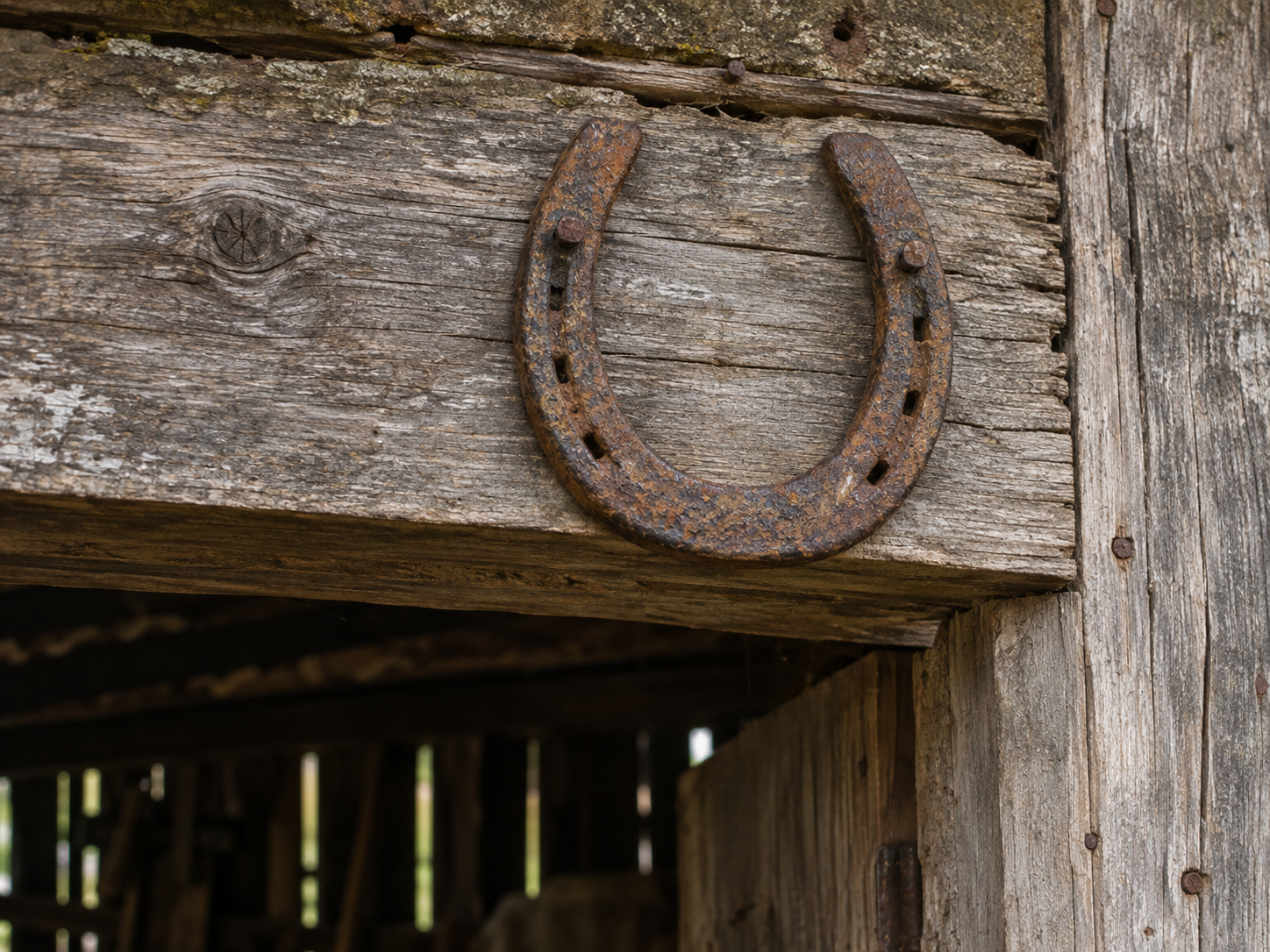
Friday the 13th: Somerset Superstitions and Strange Old Beliefs For many people, Friday the 13th is a date to approach with caution, traditionally associated with bad luck and misfortune. Yet not everyone sees it that way. Some modern Pagan and witchcraft traditions regard the date as lucky, or even empowering, rather than something to fear. There is no single universal Pagan view, however. The origins of Friday the 13th as an unlucky date are not entirely clear. The separate superstitions surrounding Fridays and the number thirteen gradually became associated with one another, with the combined belief appearing in written sources during the nineteenth century. But what about Somerset? Long before Friday the 13th became a familiar superstition, people in our county had plenty of their own beliefs about luck, misfortune, animals and ways of keeping trouble at bay. Here are just a few of the curious superstitions recorded in Somerset over the years. The Hare That Wasn't a Hare Hares have long been associated with witchcraft and supernatural transformation, and Somerset had its own intriguing examples. An account published in the Somerset County Herald in 1919 told of an old woman from Langford Budville, known as Maria, who was believed to turn herself into a hare and steal milk from local cows. Farmers had apparently tried shooting the troublesome animal without success. Eventually, one man used a bullet made from a melted sixpence and wounded the hare. He later visited Maria and discovered that she had an injured foot. It was said that the two injuries were one and the same. The Cuckoo and Your Fortune The first cuckoo of spring was once more than simply a welcome sign that warmer weather was approaching. It could also be an omen for the year ahead. One Somerset superstition advised people to turn the money in their pockets when they first heard the cuckoo. This was believed to bring good fortune and ensure that they would not be short of money during the coming year. So, if you hear that familiar springtime call, perhaps it is worth checking your pockets! A Respectful Greeting for a Magpie The magpie has inspired countless superstitions, and Somerset was no exception. An account in the Somerset County Herald in November 1892 advised readers to remove their hats or bow respectfully when encountering a magpie, otherwise misfortune might follow. A rather formal greeting for a bird, but perhaps it was better not to risk offending it! Being Pixy-Led Have you ever found yourself completely lost in a place you know perfectly well? In Somerset, there was once a name for it: being pixy-led. The belief was that mischievous pixies could lead travellers astray, particularly after dark, causing them to wander around familiar fields and paths without finding their way home. Fortunately, there was a remedy. Turning your coat or pockets inside out was believed to confuse the pixies and break their spell. Horseshoes to Keep the Pixies Away Horseshoes were not simply lucky charms to be hung above a doorway. They also had a more practical purpose in Somerset folklore. In his 1895 book The Evil Eye, Somerset folklorist Frederick Thomas Elworthy recorded the belief that pixies would ride horses at night, leaving them exhausted and covered in sweat by morning. A horseshoe fixed above the stable door was believed to protect the animals from these mischievous nocturnal visitors. Turning the Coal One of the more unusual Somerset superstitions concerned the evil eye, or the belief that someone could bring harm through an envious or malicious gaze. Elworthy recorded a curious practice known as Turning the Coal. Anyone suspected of staring into the fire with an evil intention could be countered by quietly taking the fire tongs and turning the largest coal upside down. As this was done, the words “The Lord be wi' us” were spoken. The action was believed to confuse the person casting the evil eye and thwart their intentions. The Ticking of the Death-Watch Not every ominous sign came from an animal or a supernatural creature. Sometimes it came from the timbers of an old house. A piece of Somerset folklore published in Notes and Queries in 1854 recorded the belief that ticking sounds in the oak beams of old houses, attributed to the death-watch beetle, were warnings of impending misfortune. These little sounds, easily overlooked today, could once have been regarded as a rather unsettling omen. Never Look at the New Moon Through a Window Another curious belief recorded in the same nineteenth-century collection advised that the new moon should never be looked at through a window. The reason for the warning was not explained, but it was recorded as a Somerset superstition all the same. Perhaps it was simply another example of the care once taken around the changing phases of the moon and the influence they were believed to have over everyday life. A Little Somerset Superstition for Friday the 13th From witches taking the form of hares to pixies leading travellers astray, and from turning a coal in the fire to keeping a respectful eye on magpies, Somerset's old superstitions reveal just how many ways people once tried to understand and influence the fortunes of everyday life. Whether you regard Friday the 13th as unlucky, lucky, or simply another date on the calendar, perhaps it is worth remembering that our ancestors had plenty of their own ideas about what might bring good fortune – and what might invite trouble. And if you happen to hear a cuckoo in the spring, make sure you have some money in your pocket! © P Wallace Images Source - Hare - P Wallace Cuckoo - Philip Henry Gosse, Public domain, via Wikimedia Commons Exit holes of death-watch beetle (Xestobium rufovillosum) by Stefan Czapski, CC BY-SA 2.0, via Wikimedia Commons Eliza Turck (1832 - 1891)- "ET" near bottom left corner, Public domain, via Wikimedia Commons
By Penni Wallace • November 7, 2026
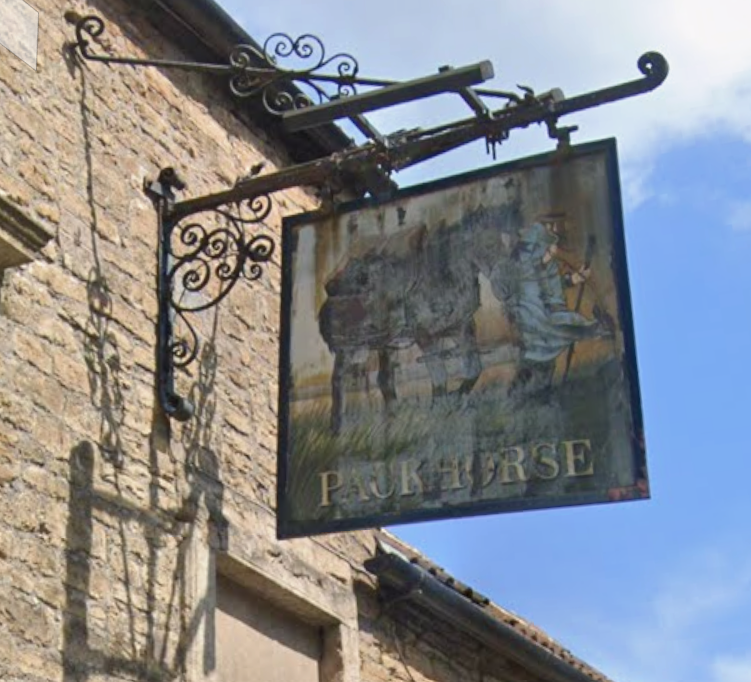
In the heart of Frome, on Christchurch Street West, stands an old inn that seems to belong to another time. The Packhorse Inn, once a familiar part of the town's everyday life, now sits empty, its doors closed while the streets around it continue with the bustle of modern Frome. There is something quietly intriguing about a building with such a long history standing silent in the middle of a busy town. Like many old inns, the Packhorse has more than a little history behind its doors. A Tavern with a Long History The Packhorse is a Grade II listed building, recognised for its historic and architectural interest. It comprises two sections, with the older part of the building and a later eighteenth-century addition. Its distinctive stonework, decorative window surrounds and ornate doorcases give it a character that hints at its former importance. The inn appears on a reconstructed plan of Frome dating from 1774, when the surrounding area was known as Behind Town. The name Packhorse is a reminder of an earlier transport network, when packhorses were an important means of moving goods through the countryside. The land opposite the inn, now occupied by Christ Church, was once known as the Pack Horse orchards. Packhorses carrying coal from the Radstock area mines were said to have grazed there after their journeys. Christ Church was built in 1818, but the orchards had already become a place of some significance. In 1746 or 1747, an early Methodist preacher spoke in an orchard behind the Packhorse Inn, an event recorded in the history of Methodism in Frome. The area therefore has associations not only with the town's coaching and trading past, but also with its religious history. A Lively Regency Inn The Packhorse was clearly a busy establishment during the early nineteenth century, and the surviving journals of Isaac Gregory, Constable of Frome, offer a glimpse of some of the less respectable moments in its history. Gregory's records from 1817 and 1818 describe several disturbances at the inn, many involving local colliers. One entry from November 1817 recounts a disagreement over the price of a quart of beer. Four colliers had ordered a drink, but when three left, the landlord insisted that the remaining customer pay for the whole order. An argument followed, and the constable was called to settle the matter. The following summer, Gregory was summoned to the Packhorse on several occasions to deal with further disturbances. One particularly busy evening in July 1818 saw him called back twice to suppress a disturbance. These small details bring the old inn to life. Far from being a quiet country tavern, the Packhorse appears to have been a lively meeting place, where arguments, drinking and occasional disorder were very much part of everyday business. Deaths and Inquests The Packhorse also had a more sombre place in the town's history. Newspaper records show that the inn was used as a venue for coroners' inquests. These proceedings brought together witnesses, officials and local residents to hear evidence surrounding deaths in the district. One particularly curious incident was reported in the Bristol Mirror on 13 October 1821. An unidentified man had entered the Packhorse Inn and asked the landlady for half a pint of beer. While in the passage, he suddenly collapsed and instantly died. The newspaper reported that at least 3,000 people had viewed the man's body since the incident. The report gives no further details about his identity or the circumstances of his death, but the extraordinary number of visitors suggests that the event caused quite a stir in Frome and beyond. There are also newspaper records of former licensees dying at the premises, including deaths in 1888 and 1937. Such details are not evidence of anything supernatural, but they add another layer to the history of a building that witnessed so many aspects of ordinary life in Frome: work, drinking, arguments, business, and sometimes death. Ghosts & Local Accounts Like many old public houses, the Packhorse Inn has acquired a reputation for being haunted, with local accounts referring to unexplained activity within the building. One story, reportedly covered by the local press in 2010, concerned a customer who was said to have photographed a mysterious figure dressed in military uniform. The figure was described as carrying a musket and a tobacco pouch, and was identified in the account as an American Civil War soldier. However, attempts to trace the original newspaper report and photograph have proved unsuccessful. Further discussions with local sources have also raised questions about the image’s authenticity, with suggestions that it may have been created using an old ghost photography app. This has not been independently established, so the photograph cannot be regarded as reliable evidence of paranormal activity. For that reason, the soldier photograph remains an unverified local story rather than a confirmed account of a haunting. A Forgotten Inn Today, the Packhorse stands closed and empty, a quiet reminder of a different Frome. Its history reaches back through centuries of changing streets, trade, travel and local life. It has seen the passing of packhorses, the arrival of Methodism, the arguments of Regency drinkers and the darker business of coroners' inquests. Perhaps the most intriguing thing about the Packhorse is that, despite all the records and stories that survive, there are still questions left unanswered. For now, the old inn remains silent, keeping its secrets in the heart of Frome. Sources - Ghost Photo - Paranormal Somerset - Selena Wright Old photo - Frome History & Mystery - Facebook Historic England & British Newspaper Archives